Lake Yamanaka
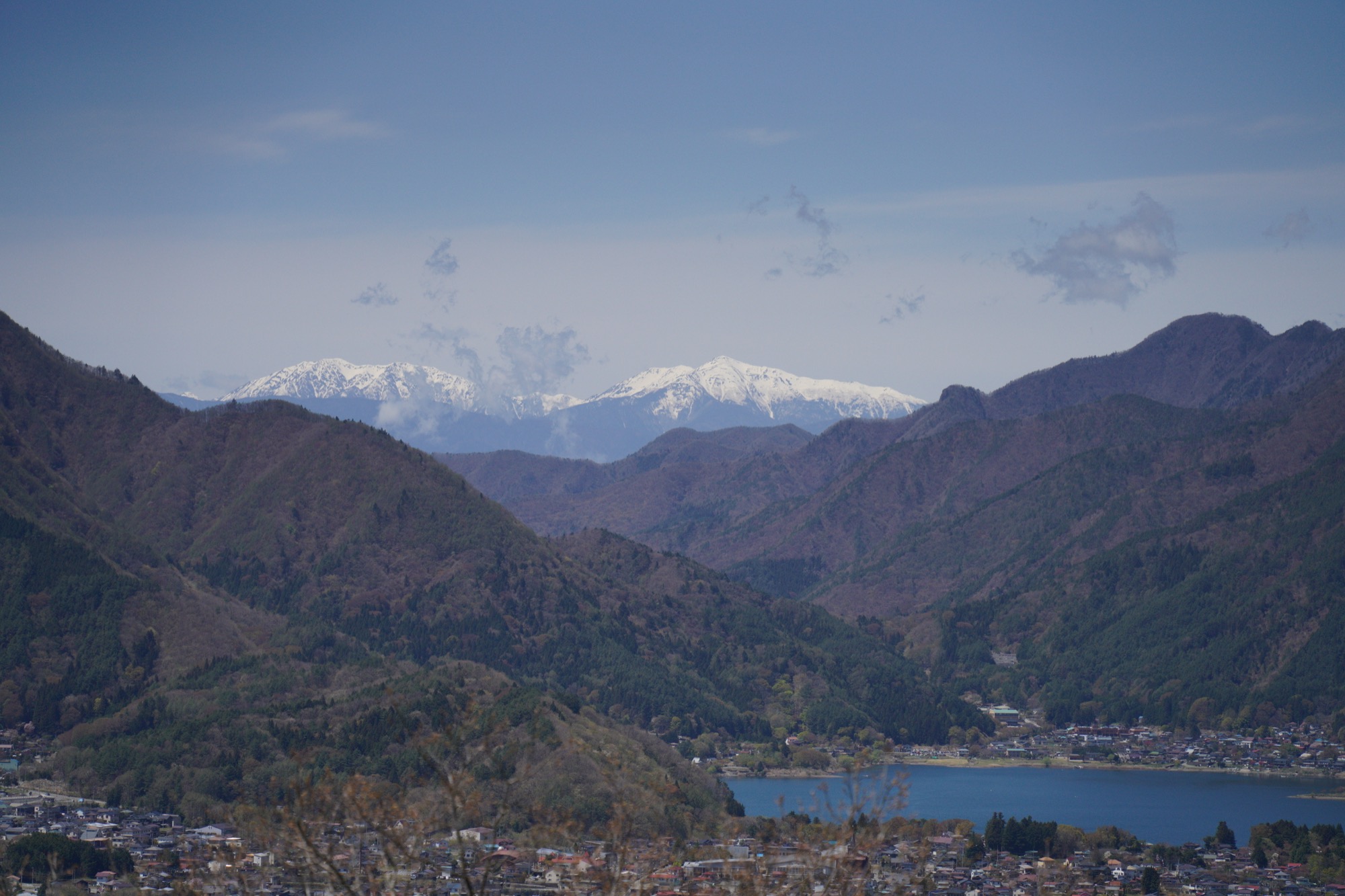
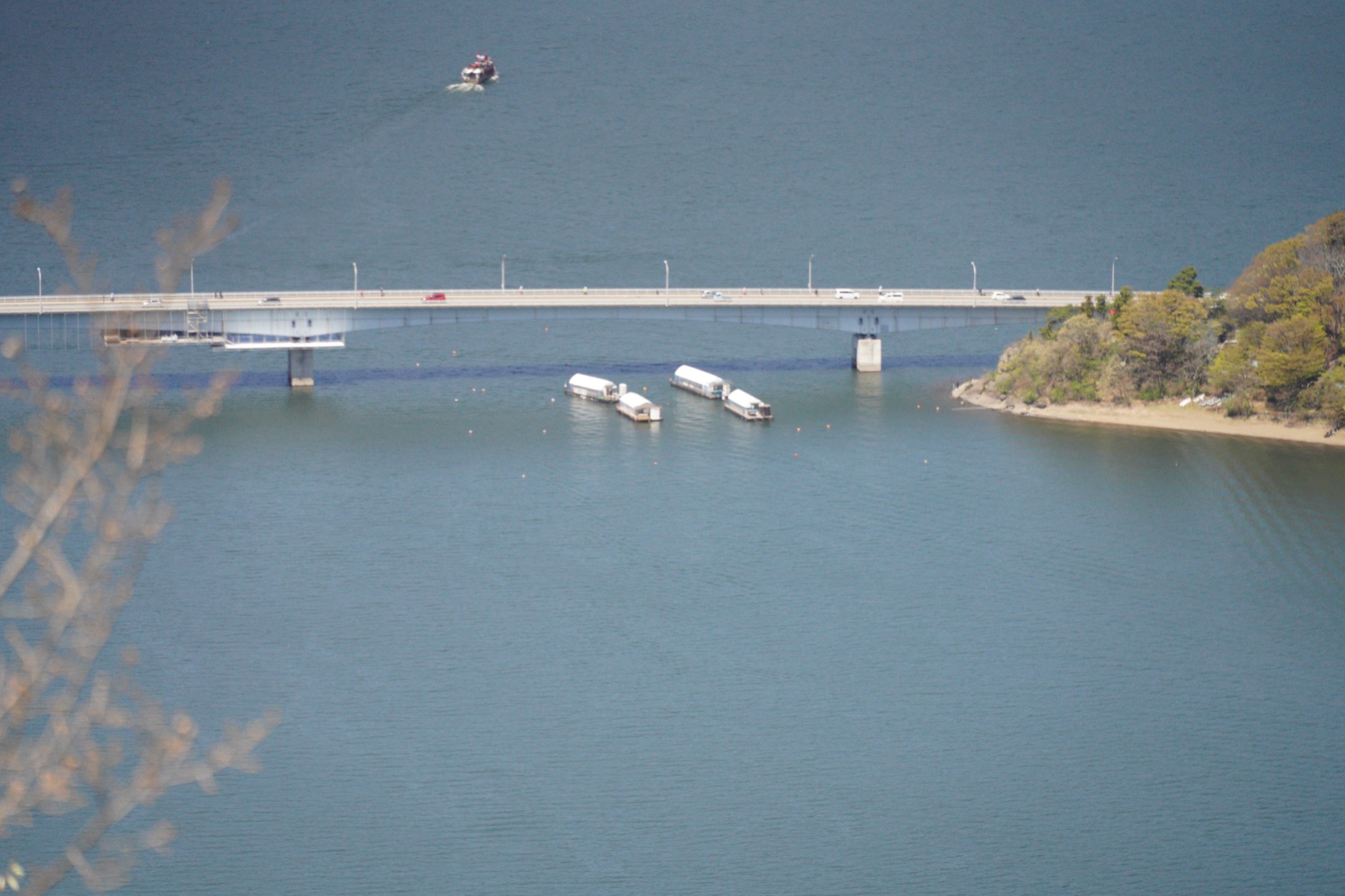
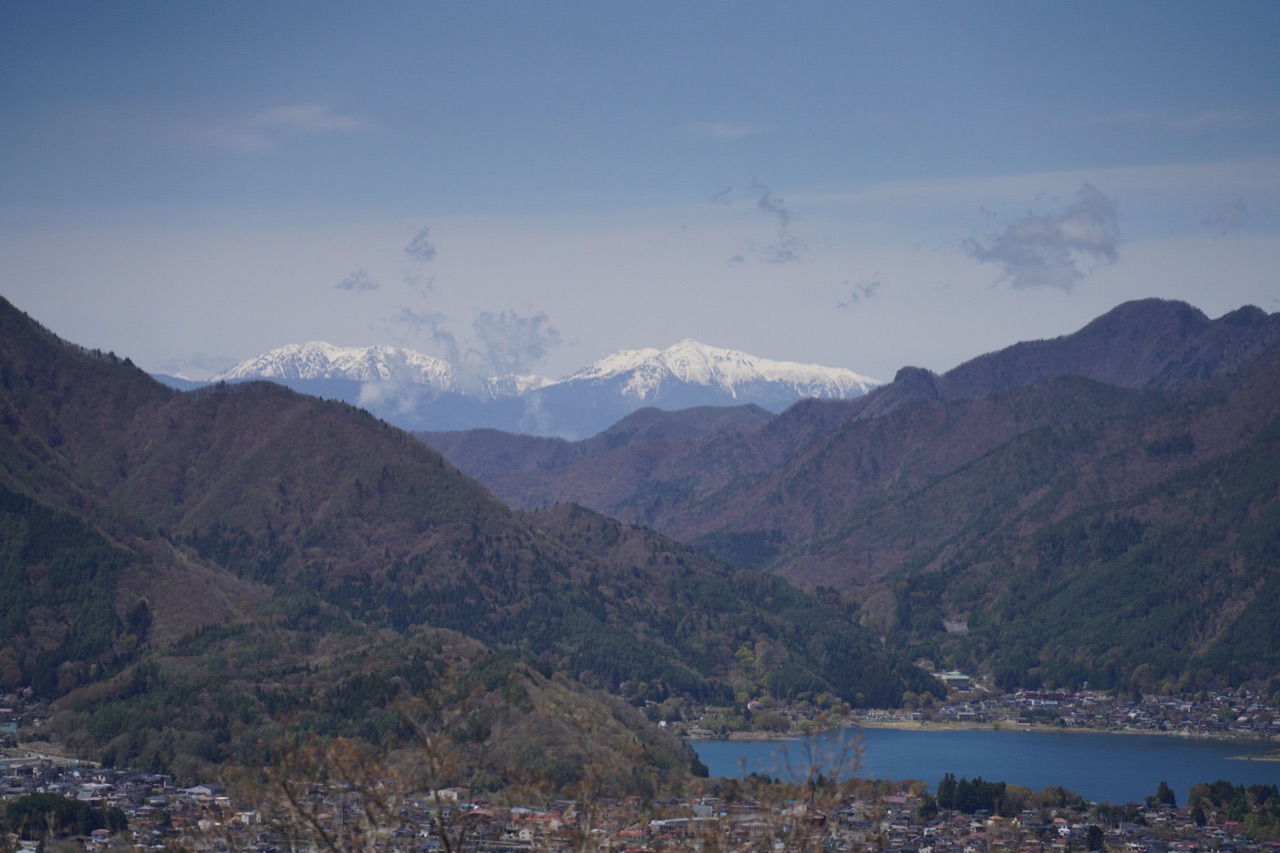
Lake Yamanaka, spreading across the eastern foot of Mt. Fuji, is the largest of the Fuji Five Lakes. The mountain seen from its waters changes expression moment by moment with the season and the hour, and that ever-shifting figure has drawn people to its shores since ancient times.
The lake’s origin is inseparably bound to the eruptive history of Mt. Fuji itself. Around two thousand years ago, the Kenmarubi lava flow is thought to have cut in two a vast ancient lake known as Lake Utsu; its eastern half became the Lake Yamanaka of today. A lake born of the mountain’s fire became, in time, a sacred place from which to worship the mountain.
Among the ascetic practices of the Fujikō confraternities was the Uchi-Hakkai-meguri, a pilgrimage circuit of eight lakes and ponds at the mountain’s foot at which water austerities were performed, and Lake Yamanaka was most often ranked first among them. Practitioners of the confraternities, setting out from Edo for Fuji, immersed themselves in the lake’s waters for cold-water ablutions, cleansing the six senses before turning toward the climbing trail. The lake was never mere scenery — it was a sacred station woven into the very protocol of worship-ascent. The plain along the eastern shore, moreover, was a crossroads on the Kamakura Kaidō, bearing the long history of traffic between Suruga, Kai, and the Kantō.
For this history of faith, and for the beauty of Fuji mirrored on its waters, Lake Yamanaka is inscribed as a component of the World Cultural Heritage “Fujisan, sacred place and source of artistic inspiration.” In the early morning, as the mist clears from the lake and the mountain emerges beyond the water, one still seems to glimpse, overlaid upon the view, the hearts of the practitioners who once pressed their hands together in prayer on this shore.