Mt. Aso, Aso Shrine, and Kokuzō Shrine
The mountain faith of Aso in Kumamoto Prefecture — the sacred peak of Aso, together with Aso Shrine and Kokuzō Shrine — forms one of the great streams of ancient Japanese mountain worship, alongside the faith of Mt. Fuji. Different mountains, different clans; yet what runs at the root is one and the same: awe before a fire-breathing sacred peak, and the endurance of a priestly family that has kept the rites through successive eldest-son inheritance.
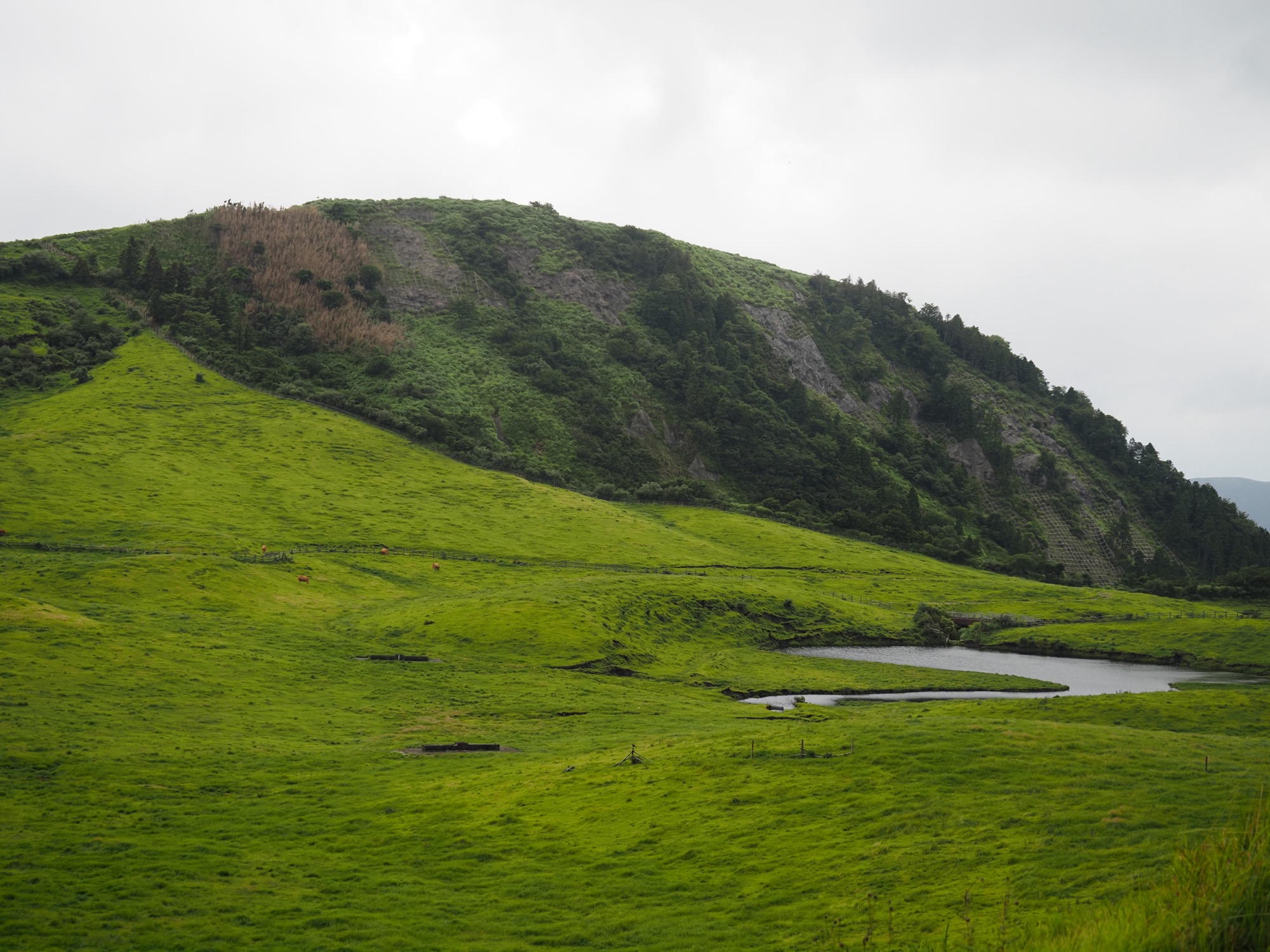
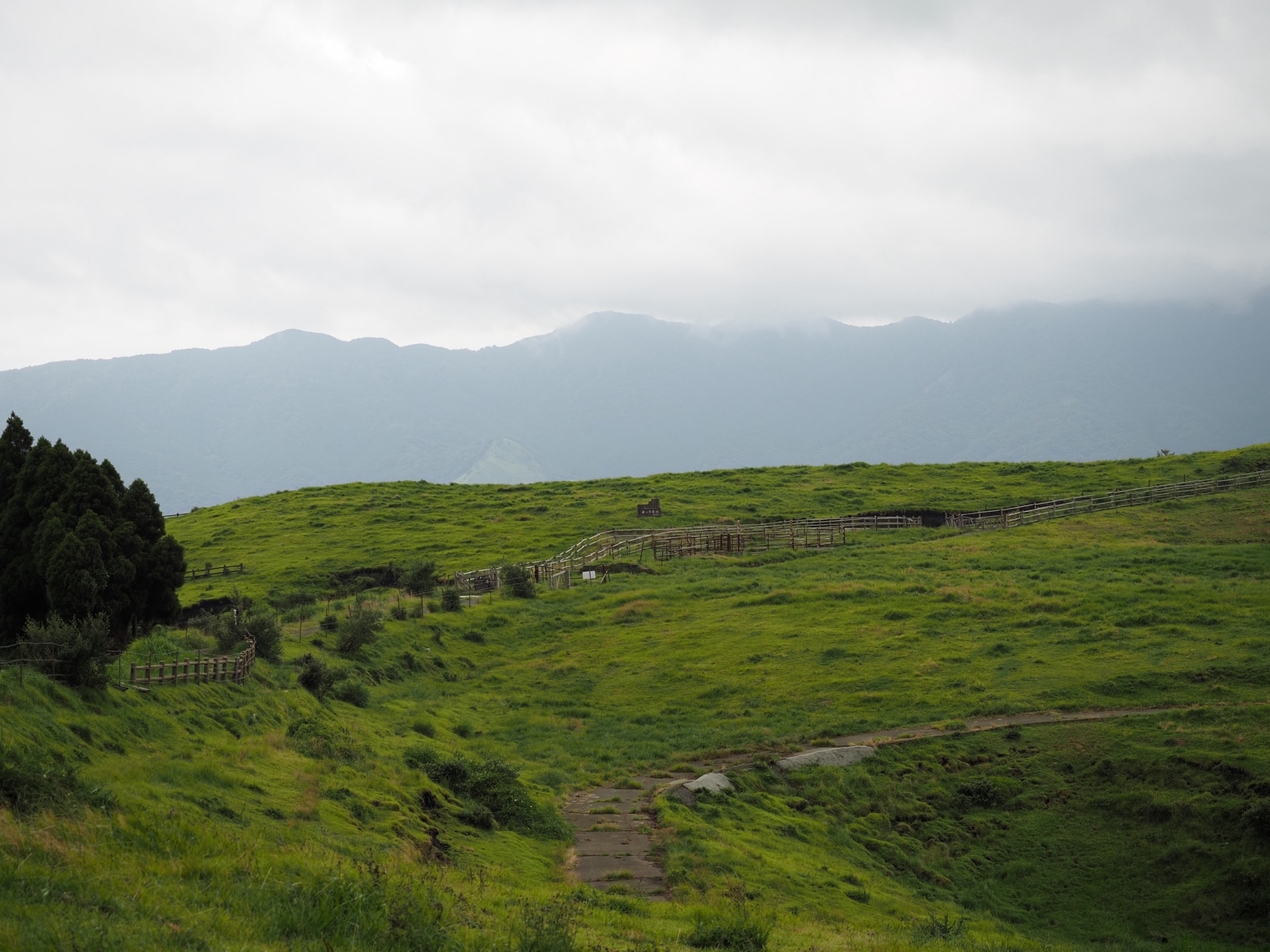
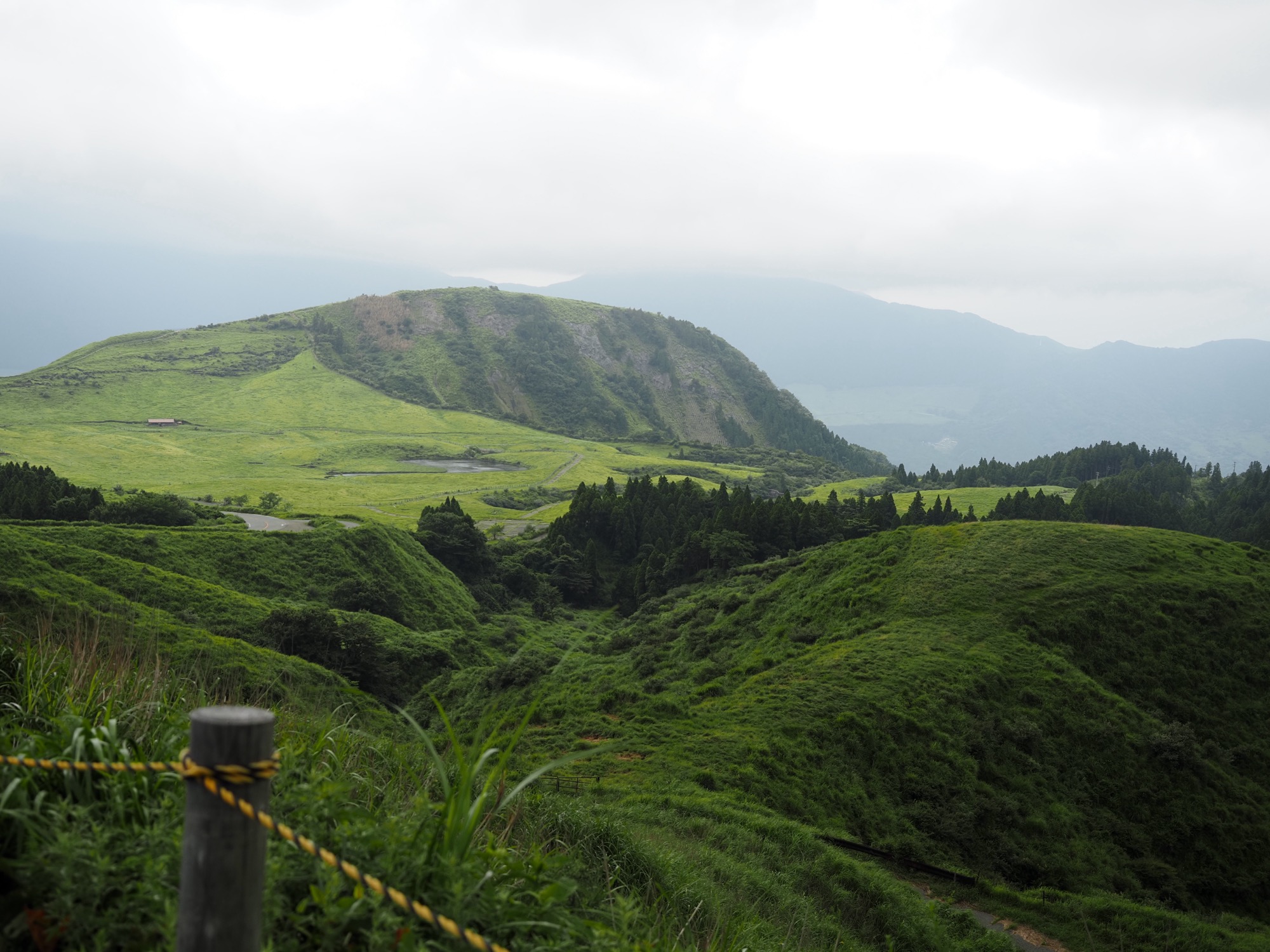
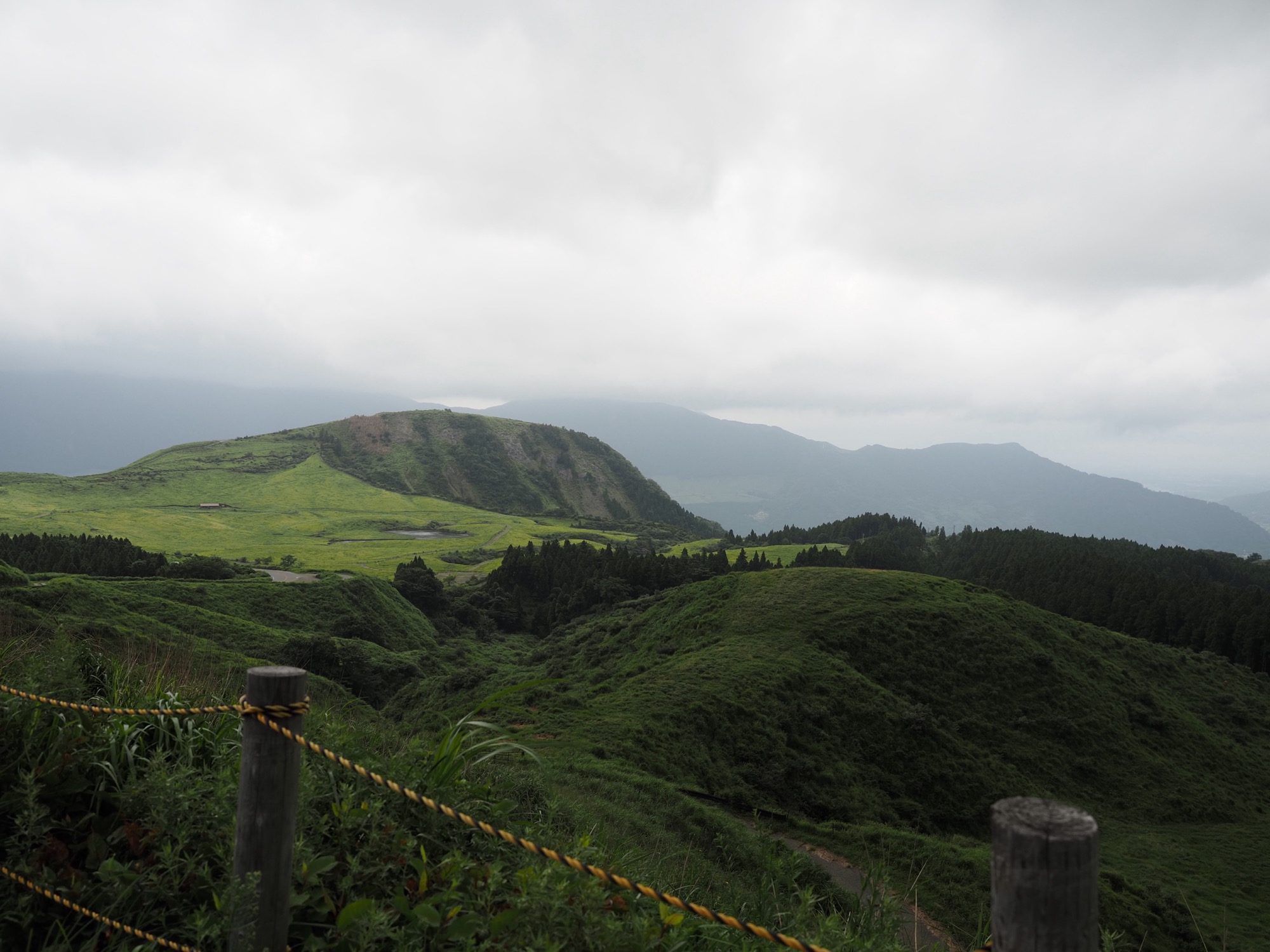
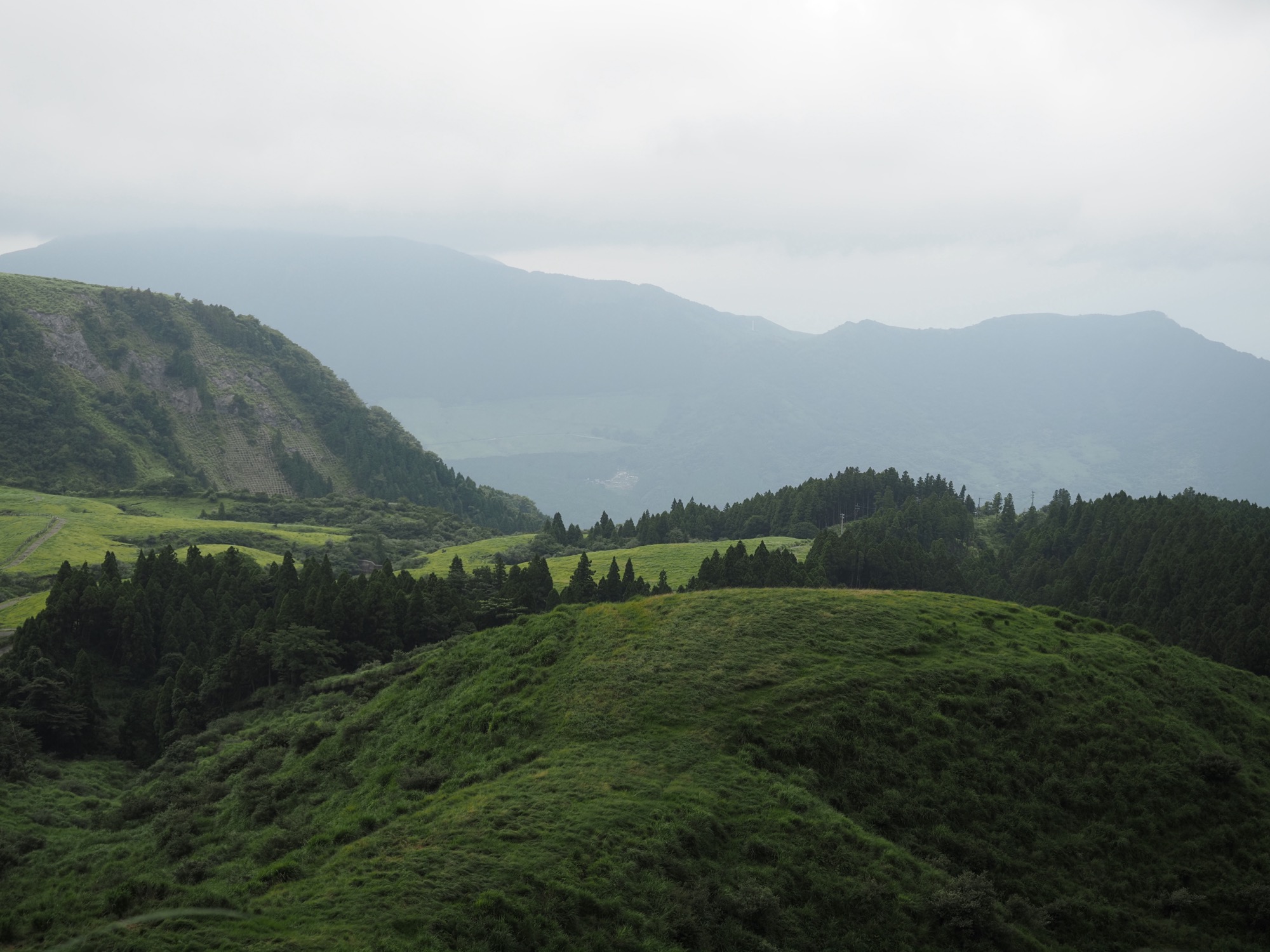
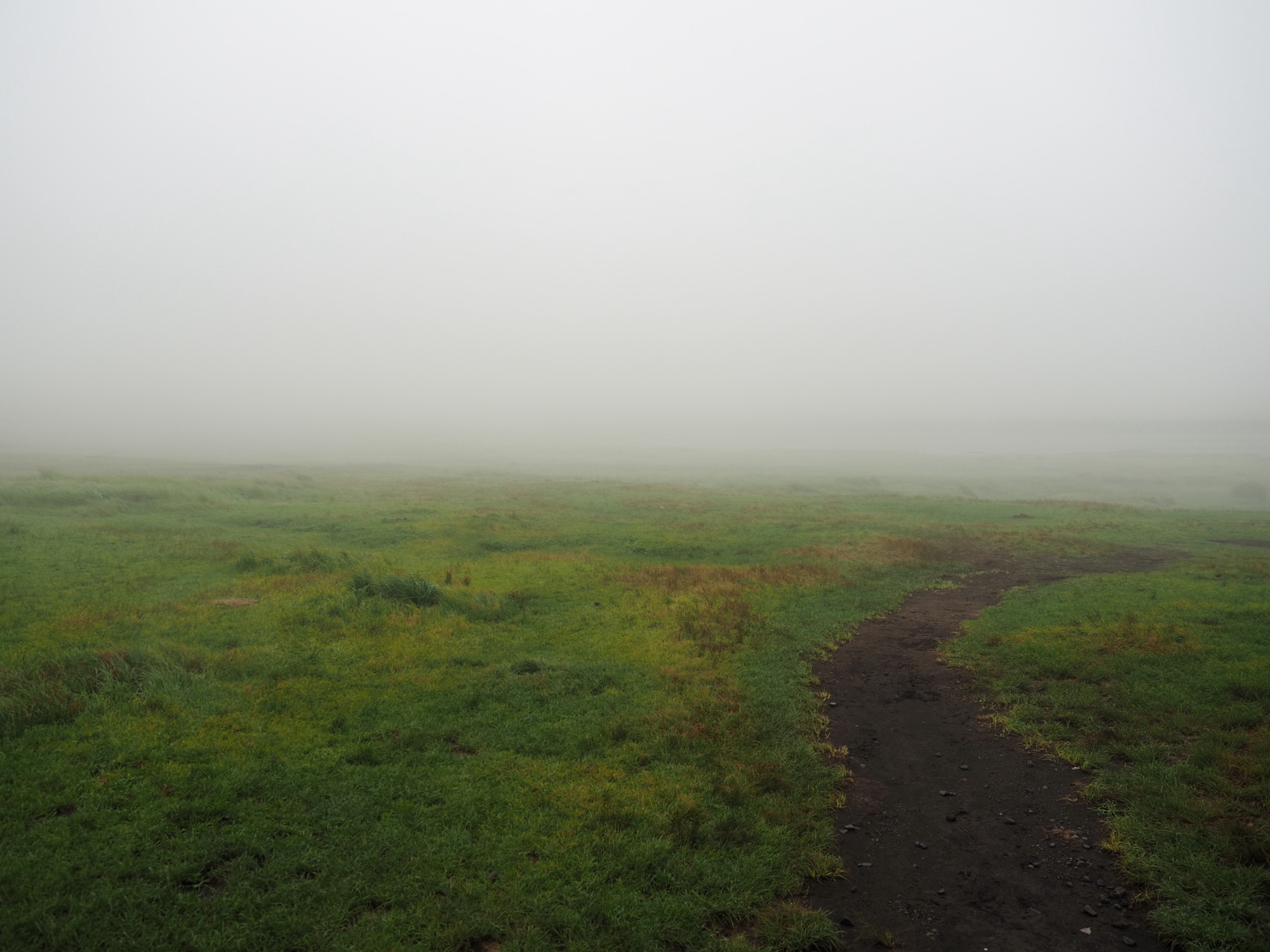
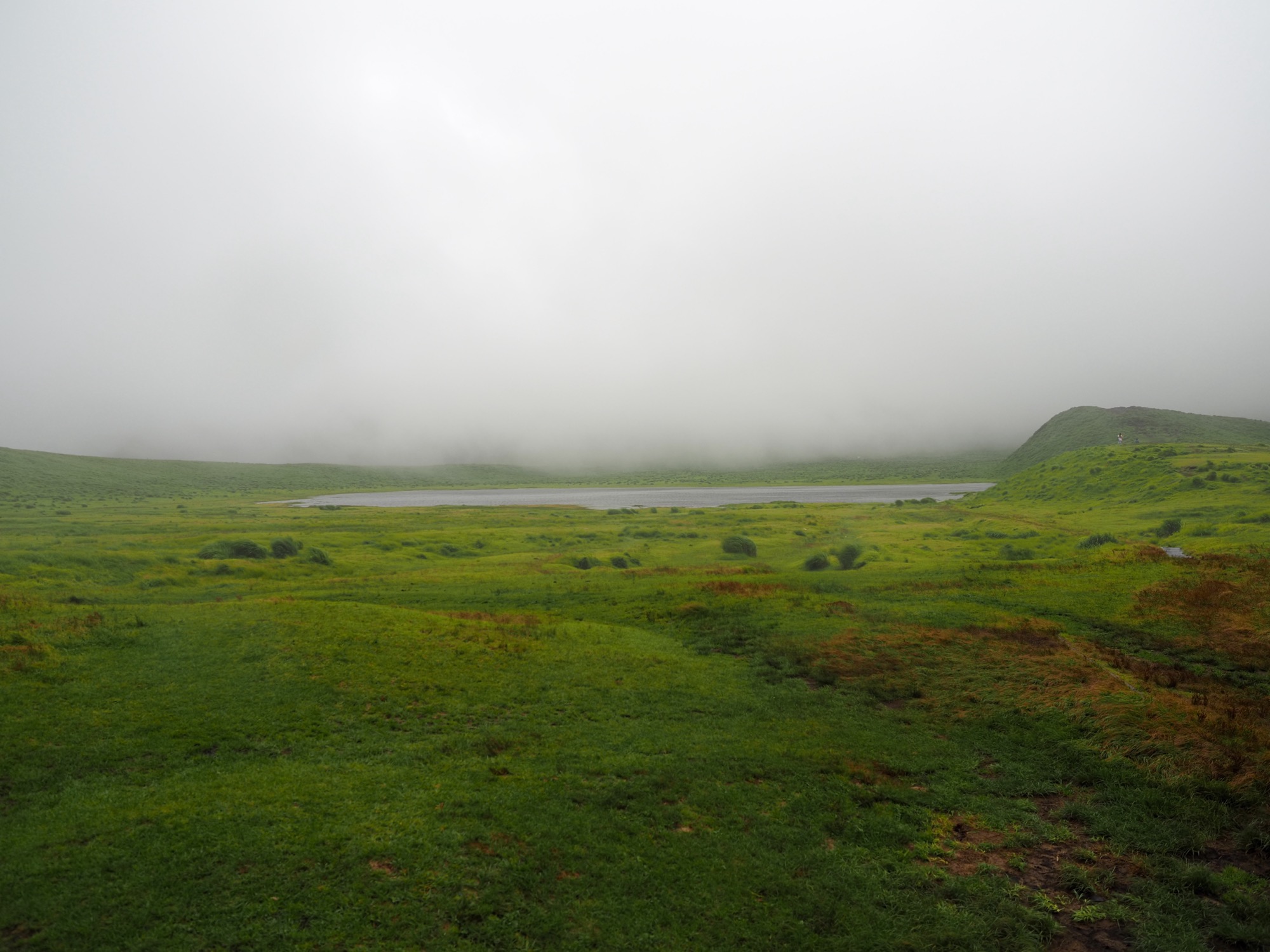
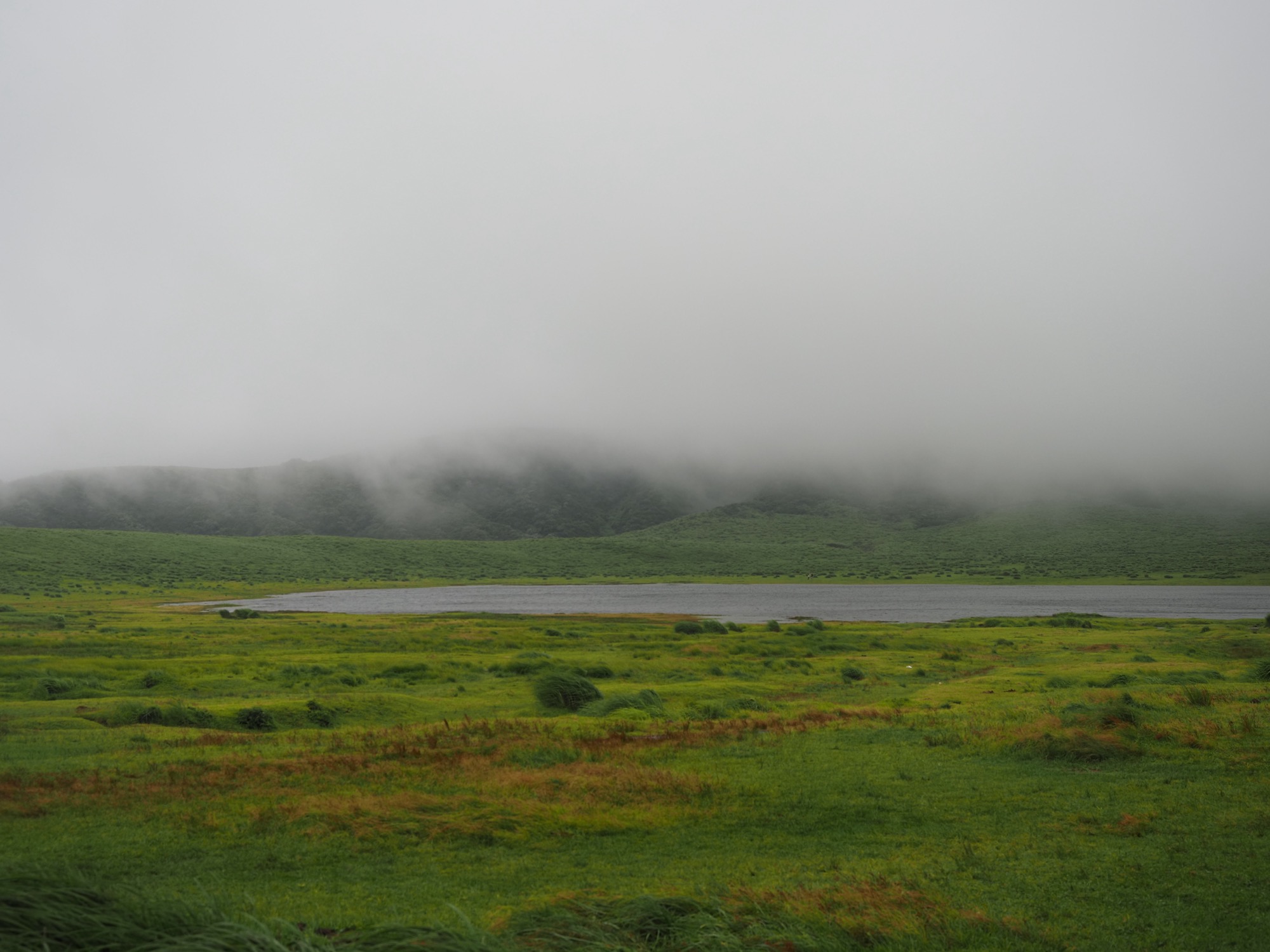
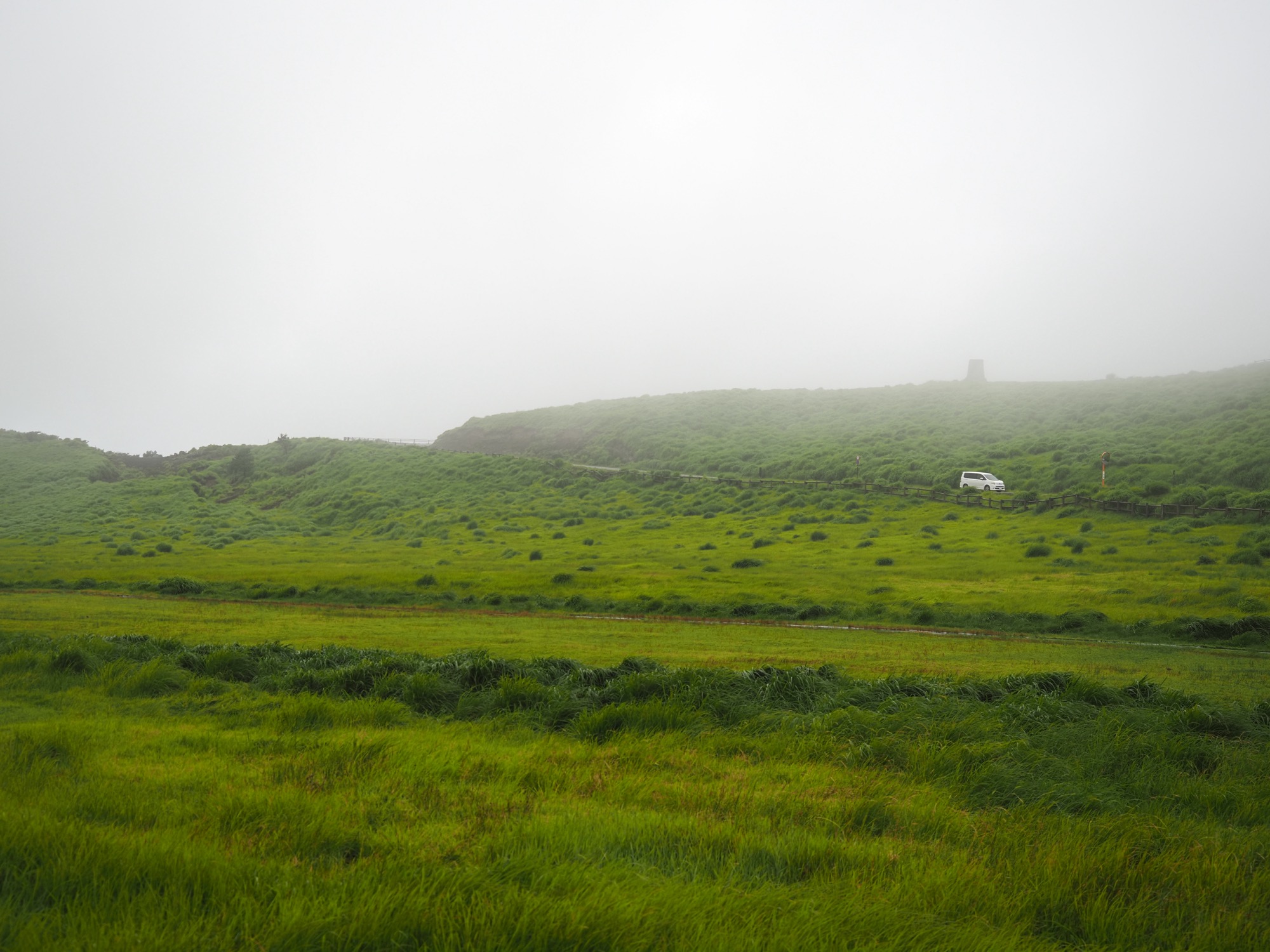
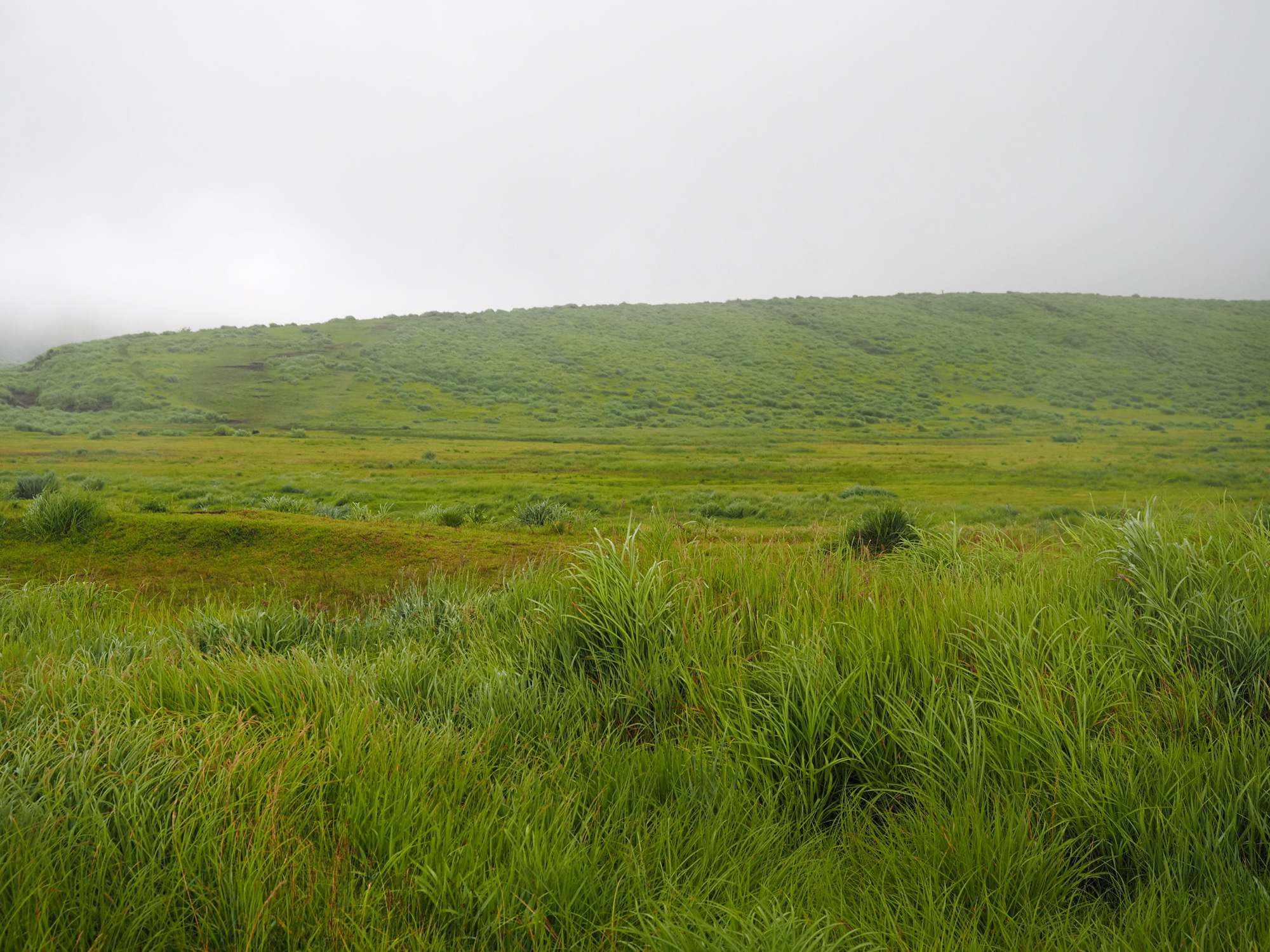
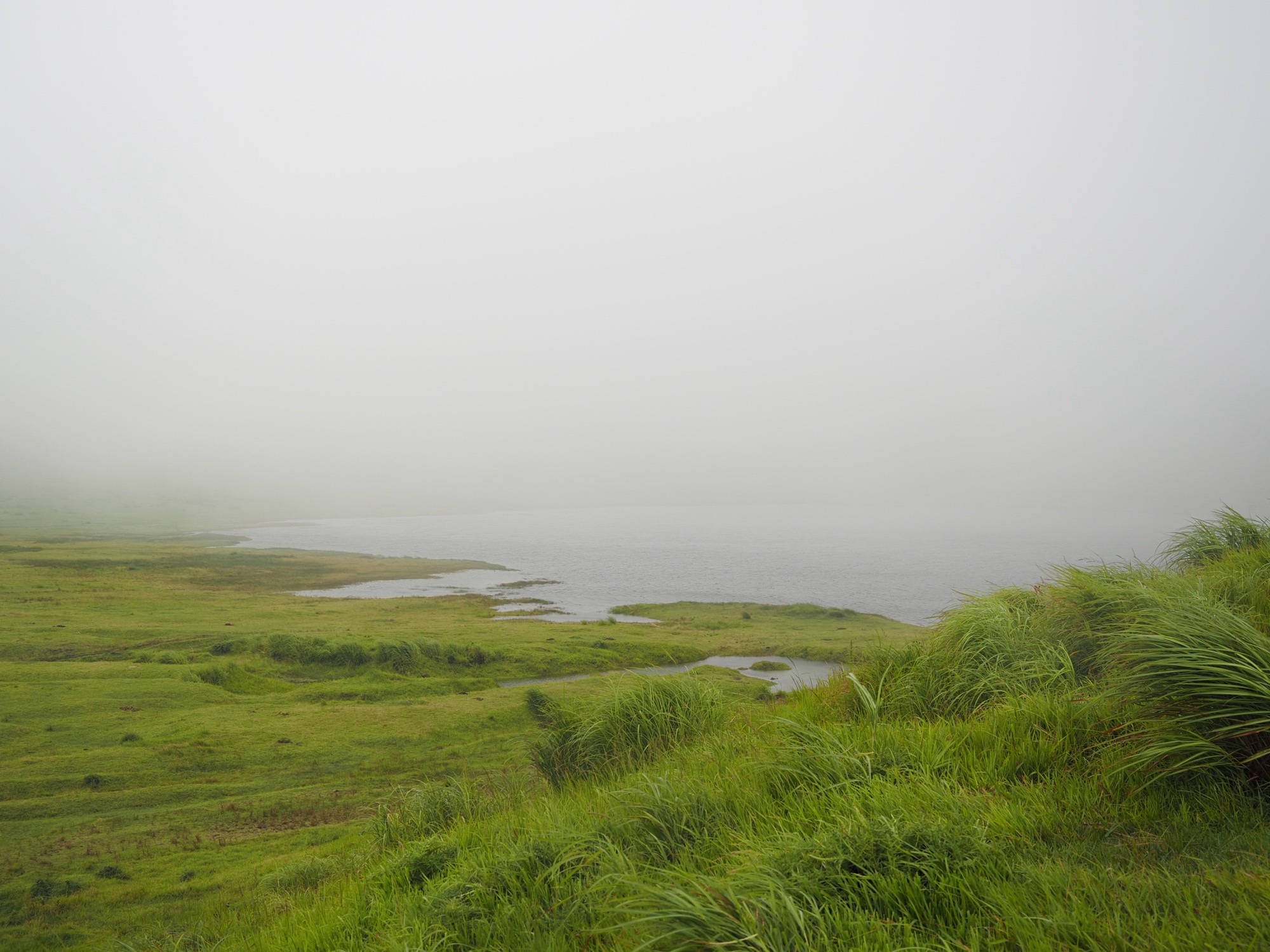
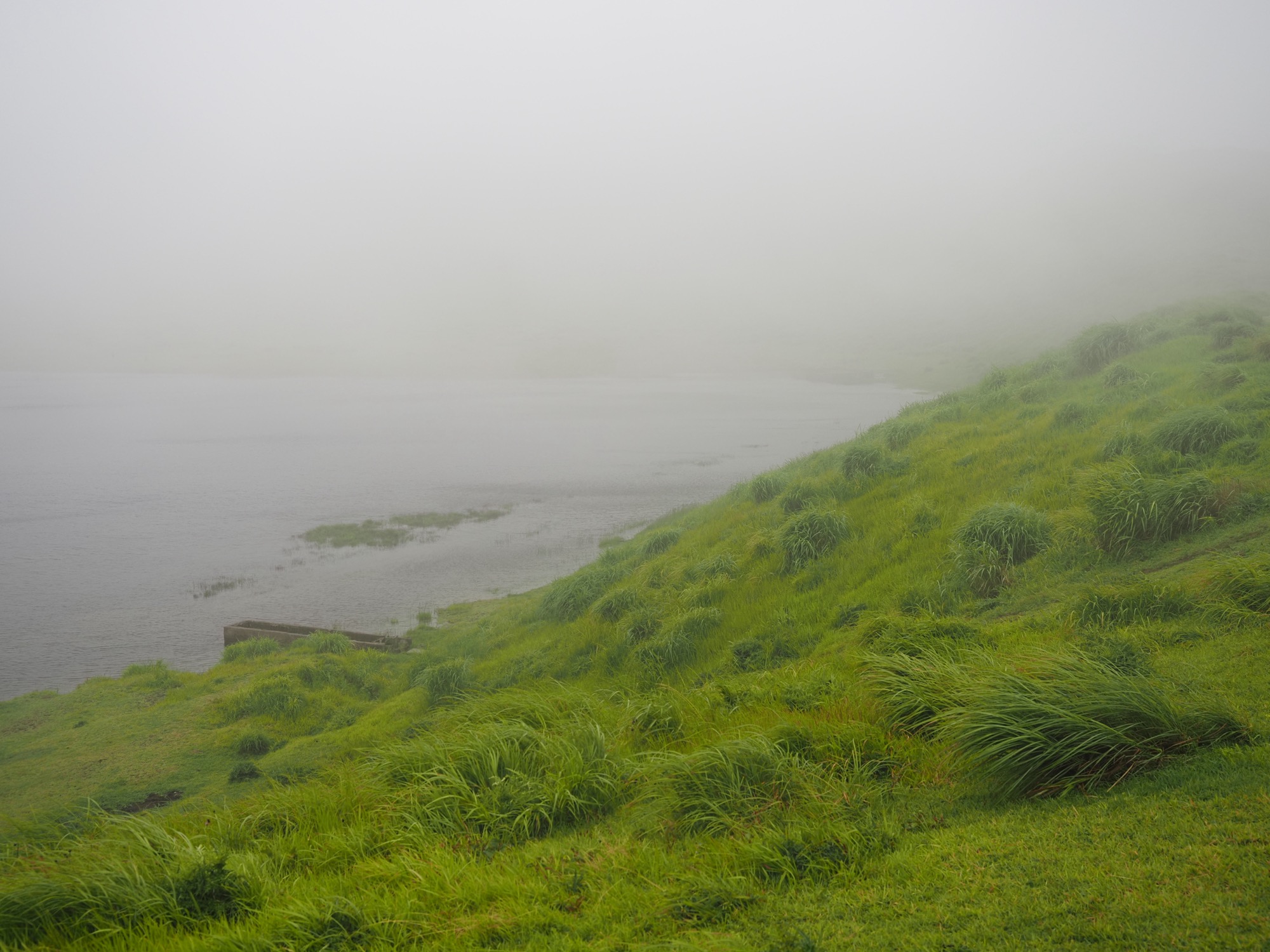
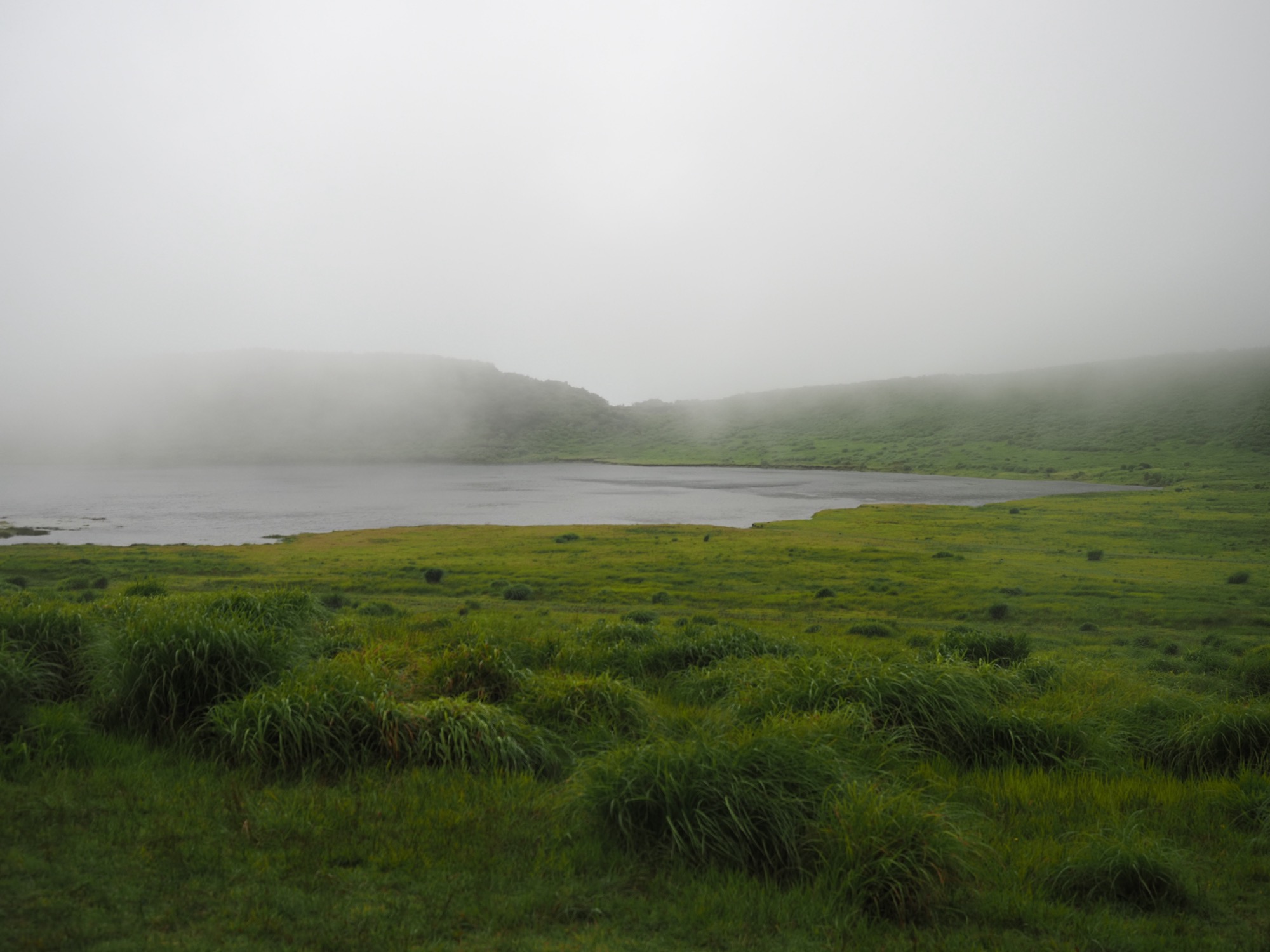
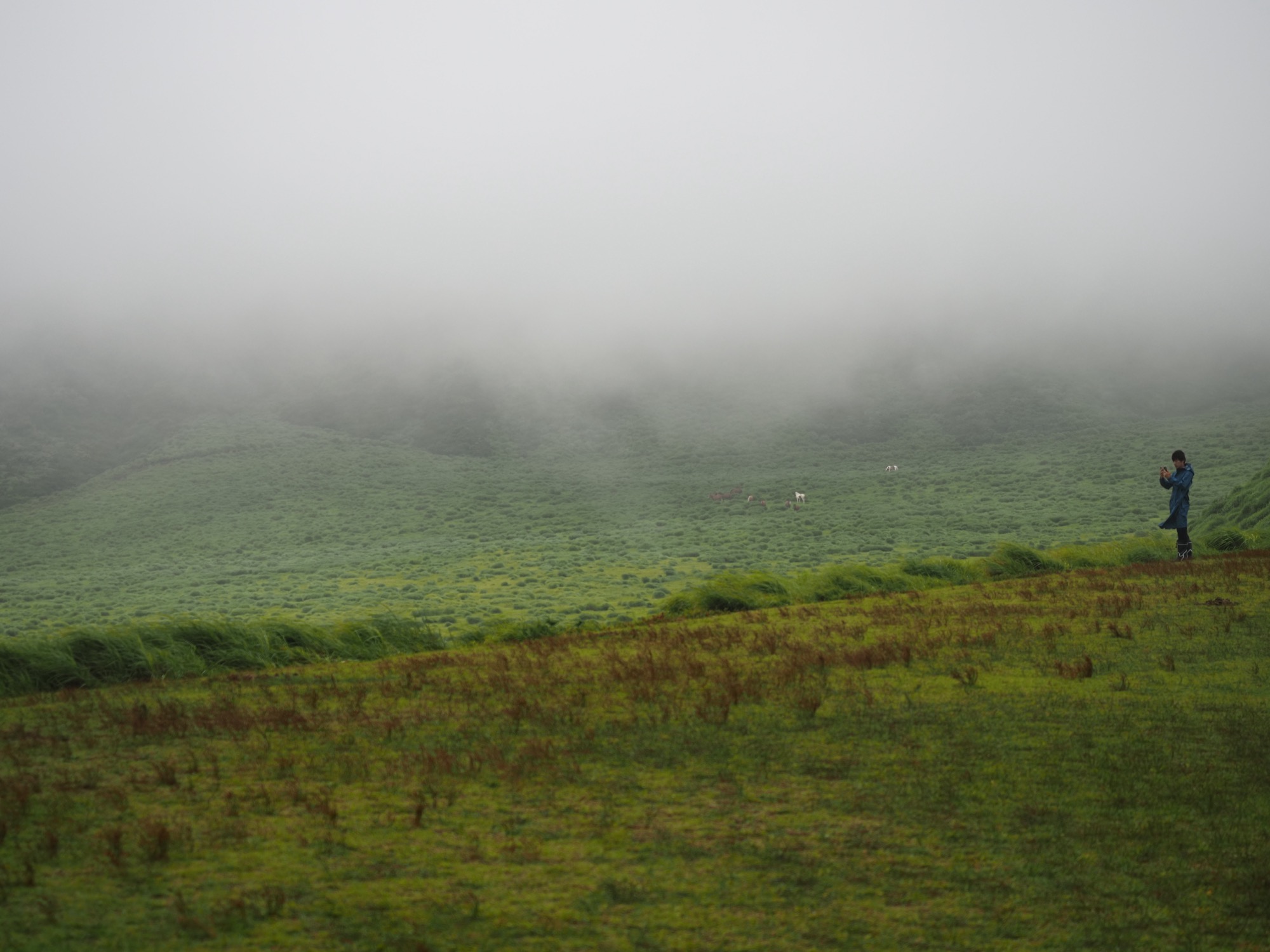
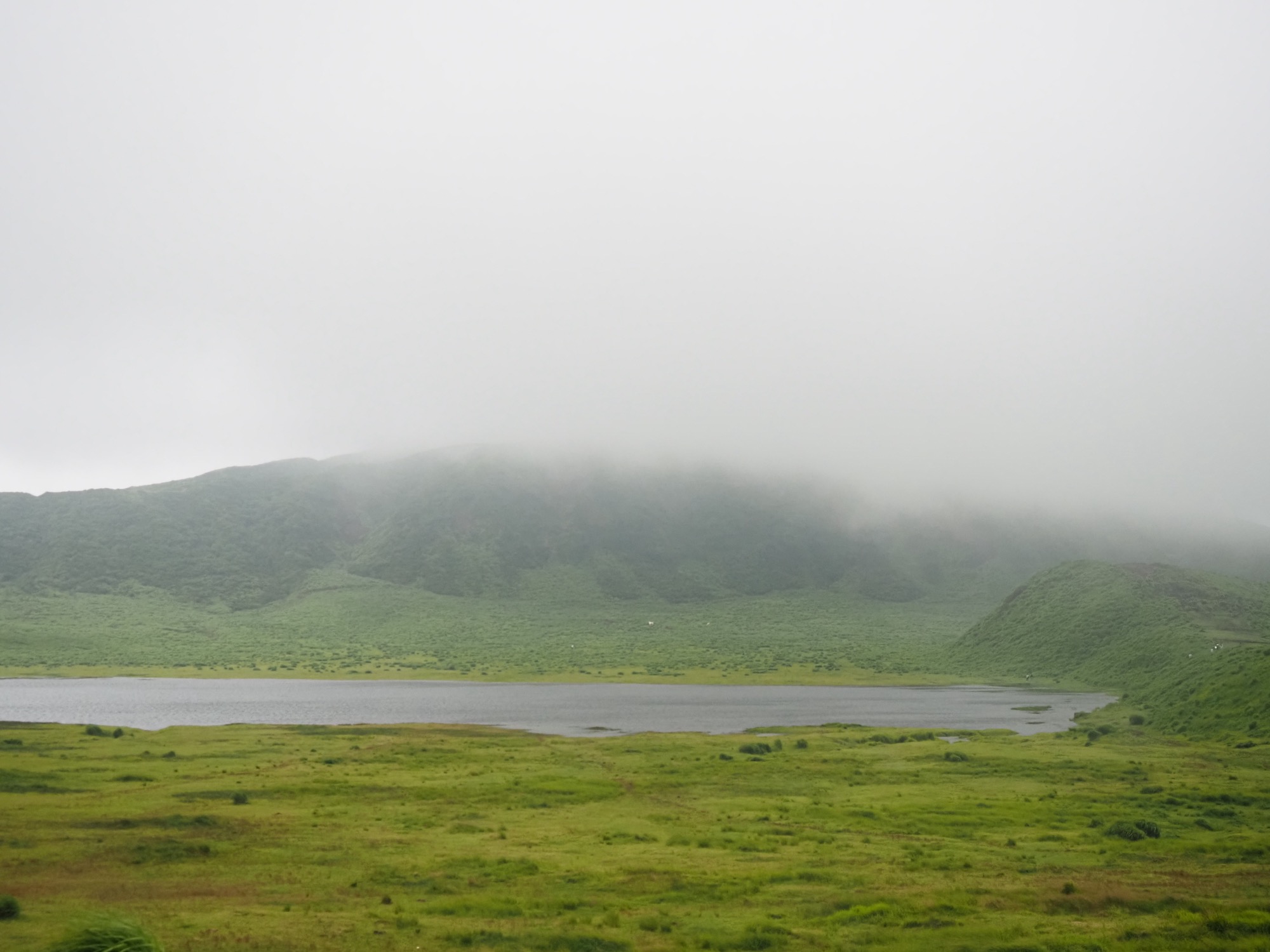
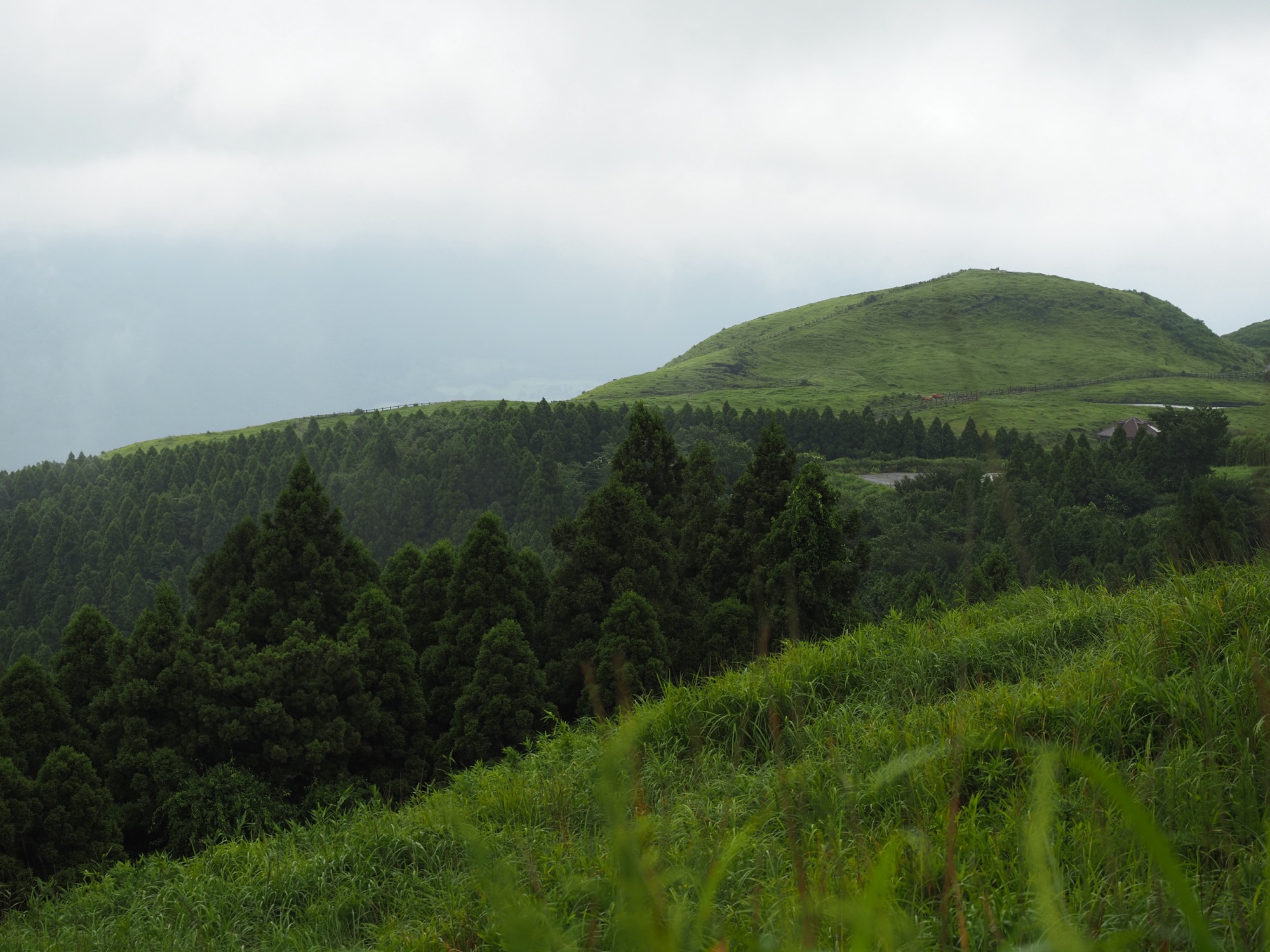
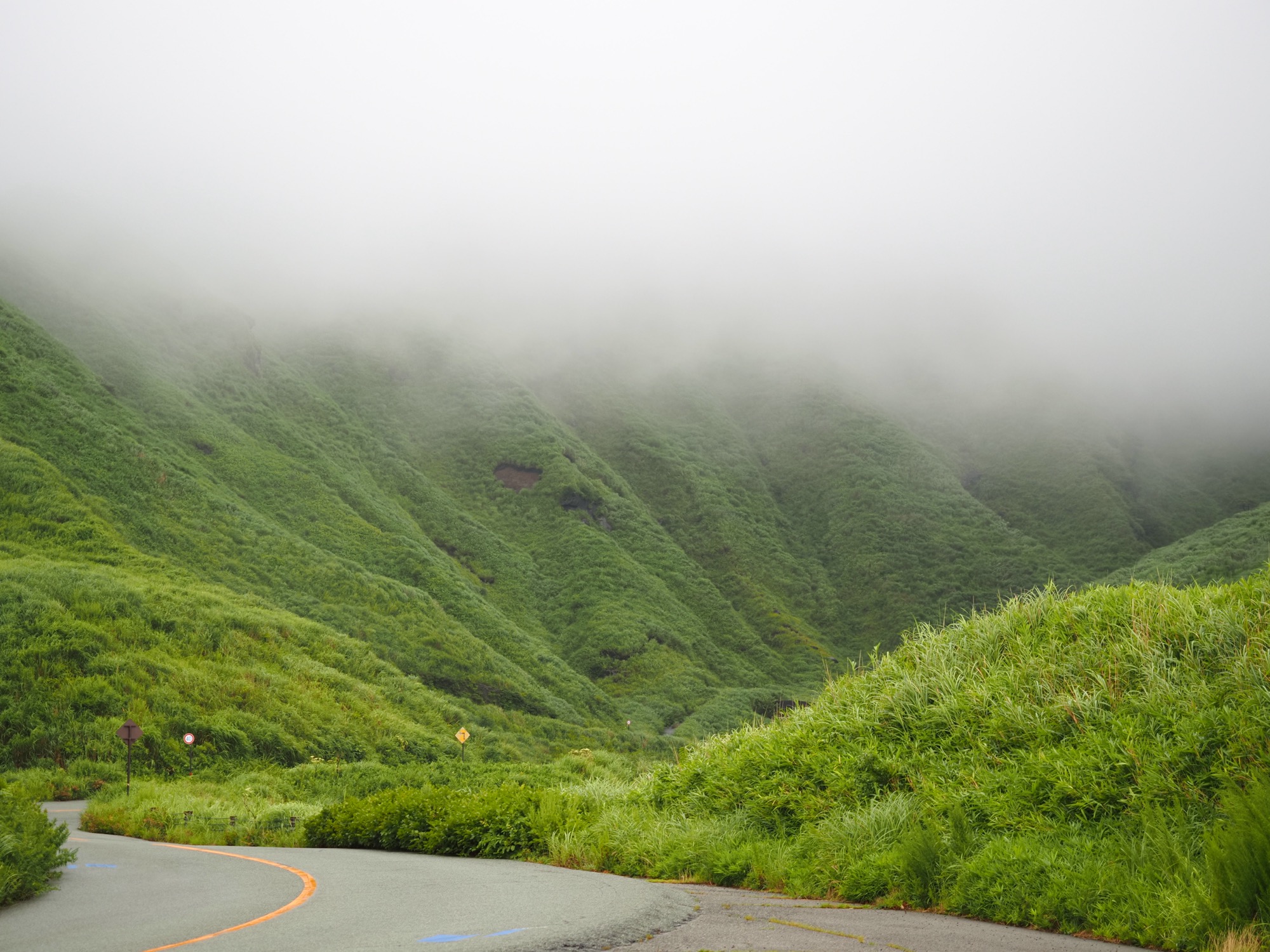
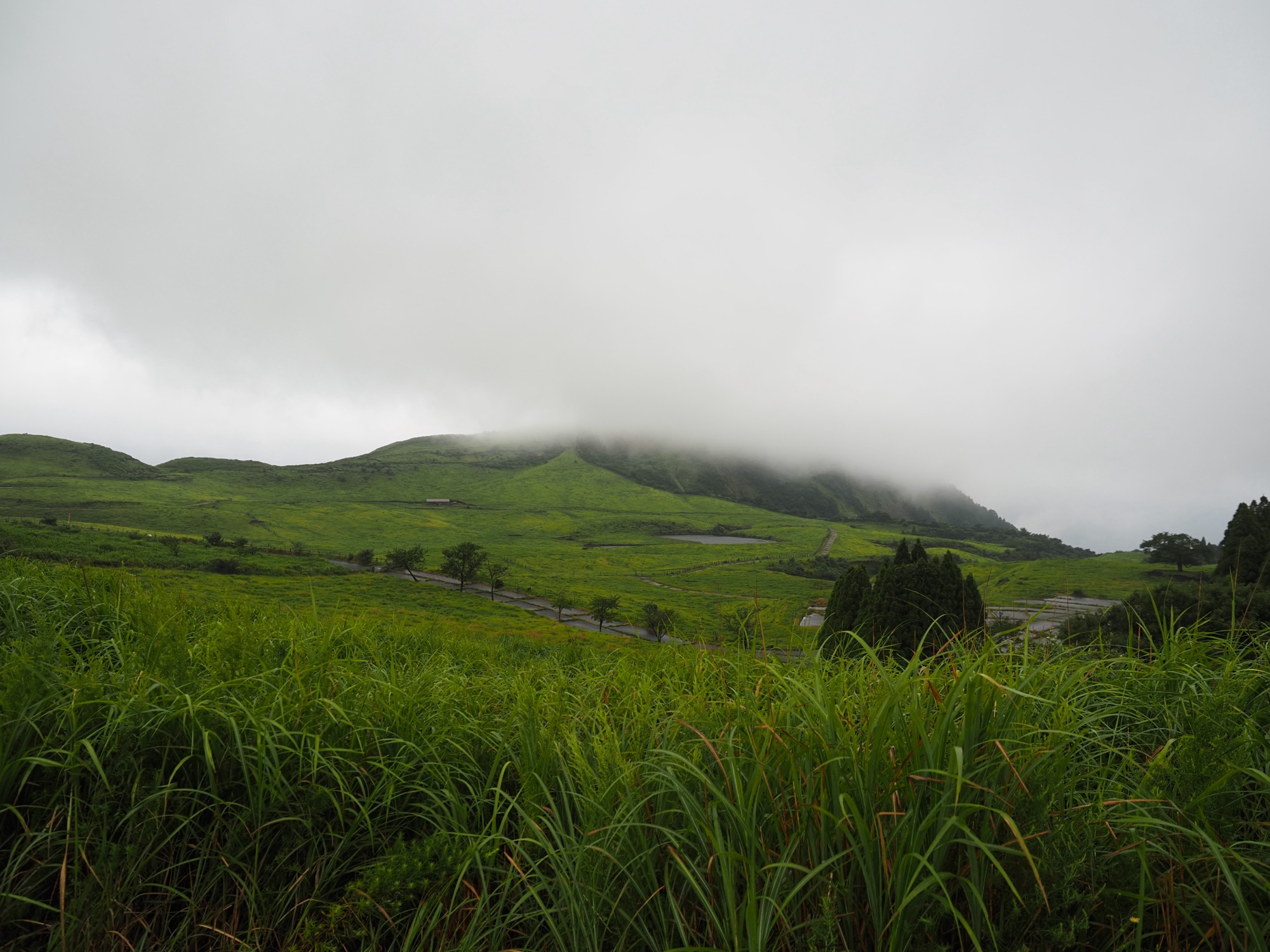
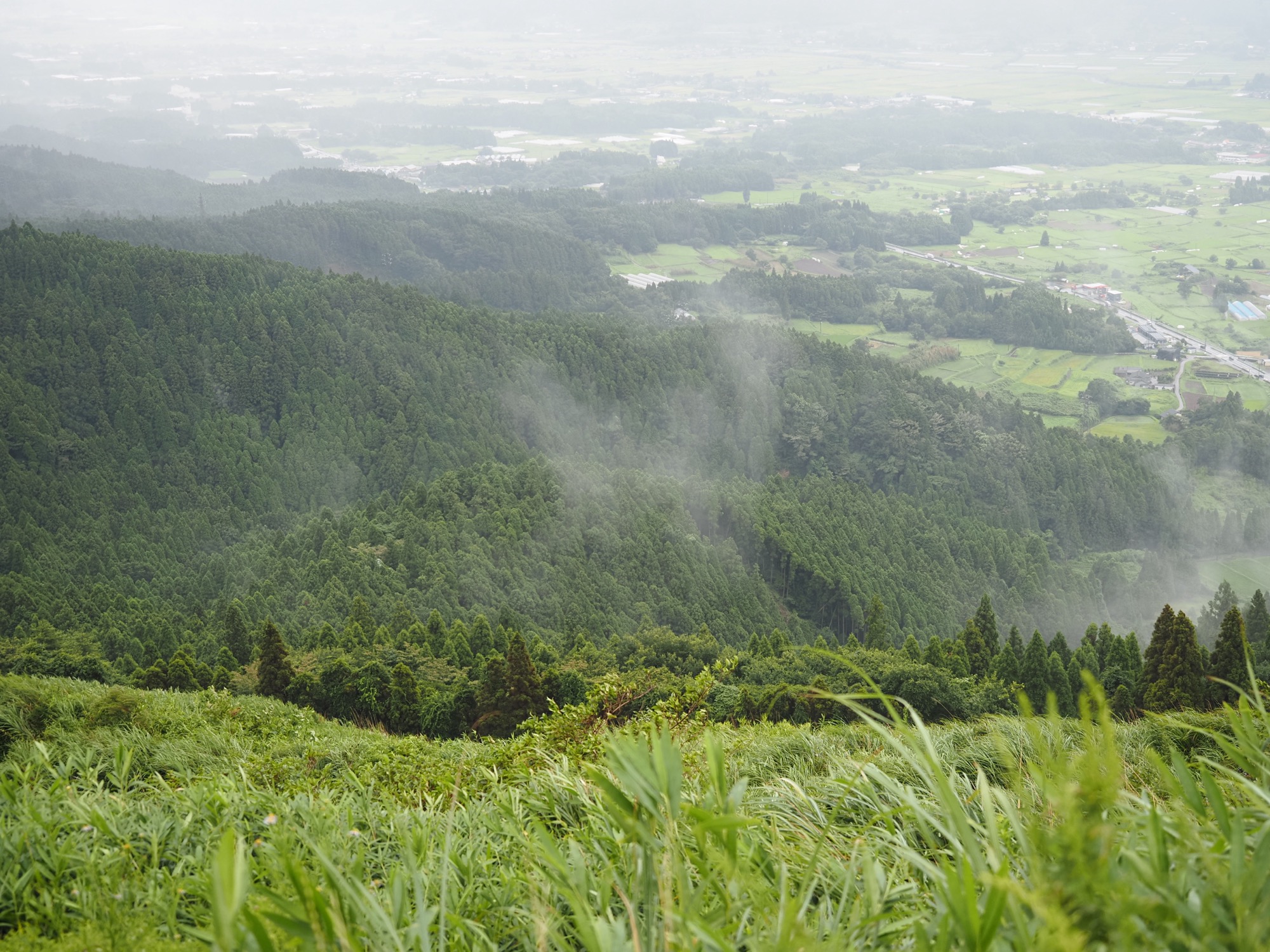
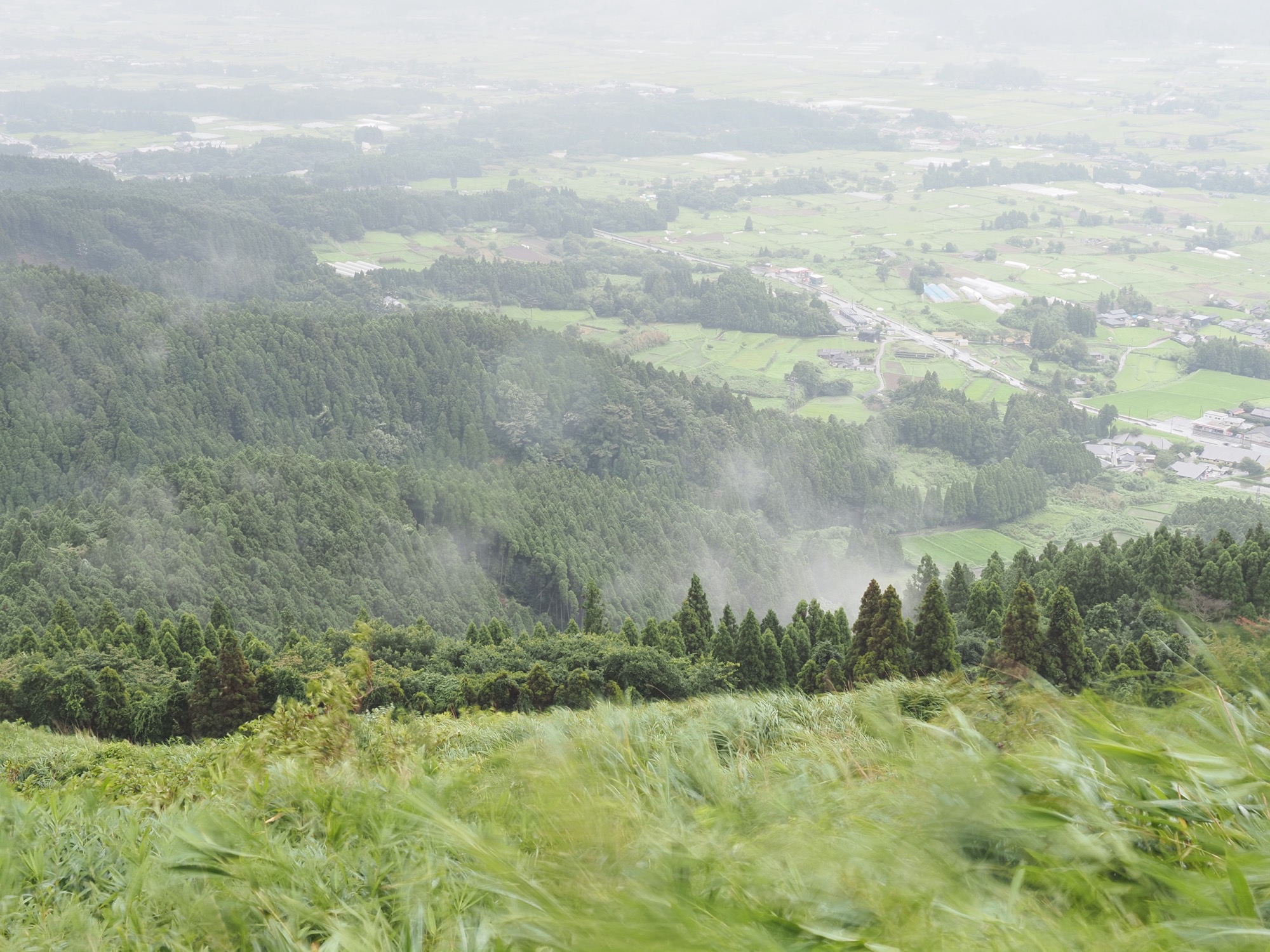
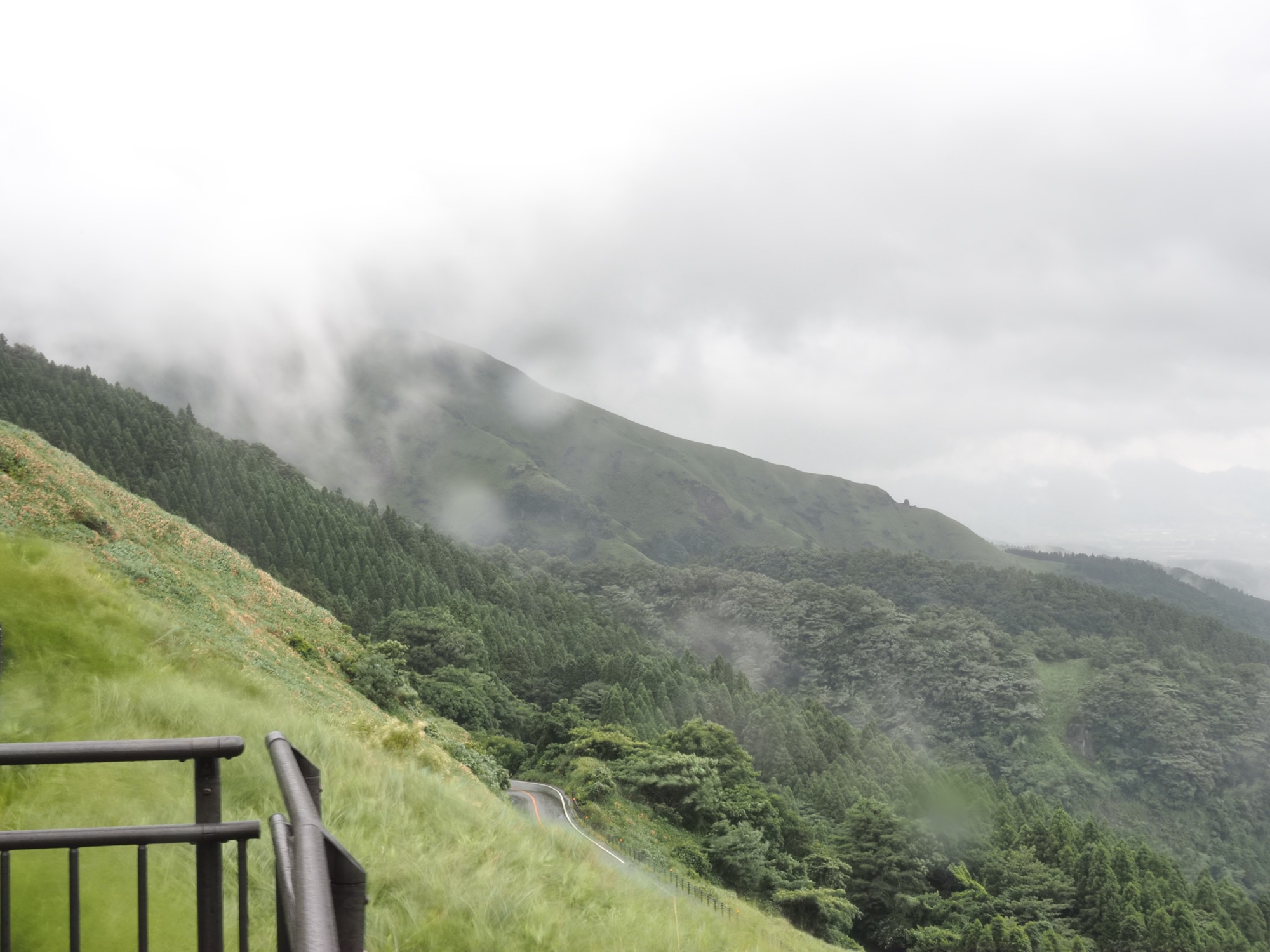
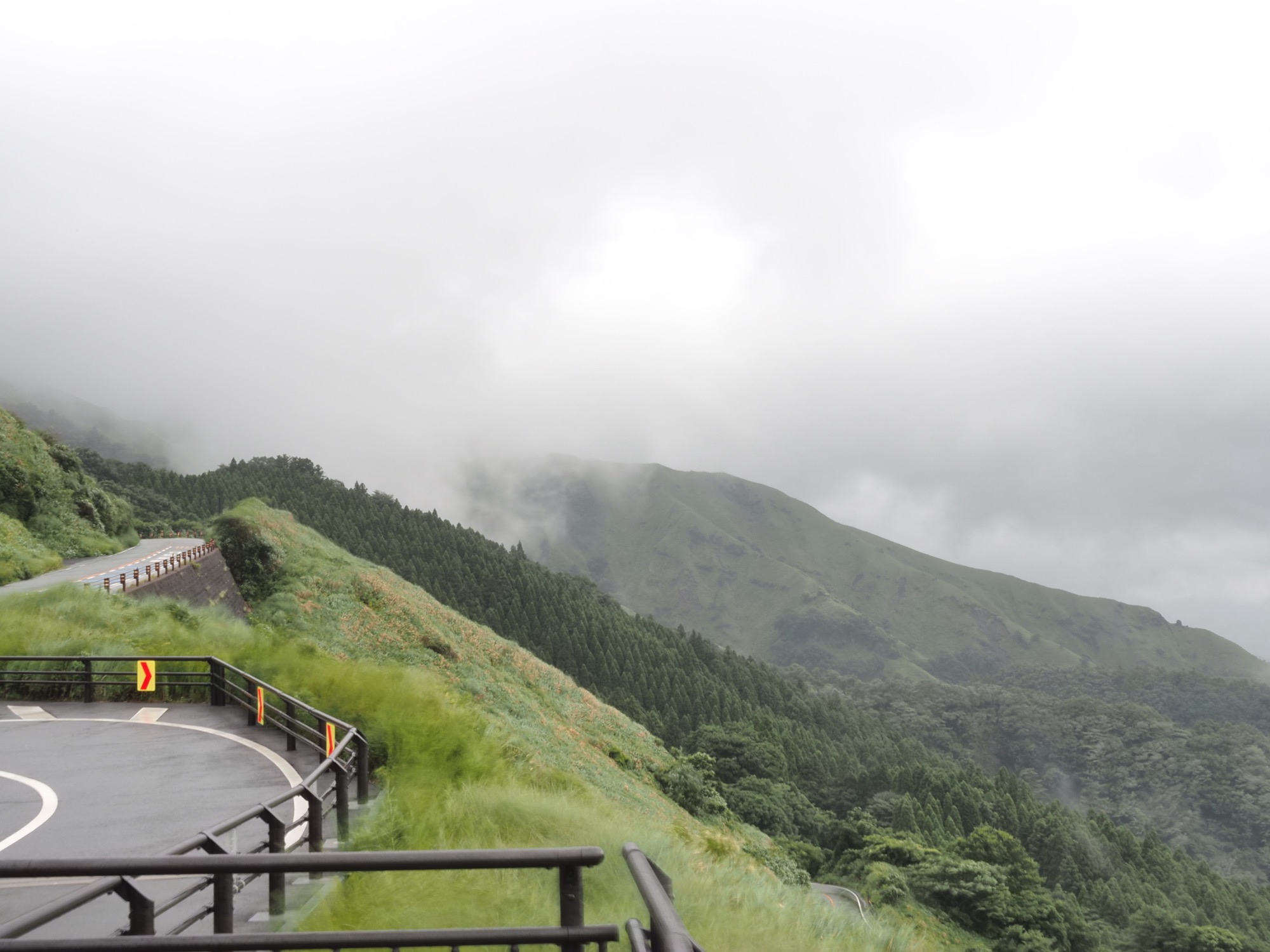
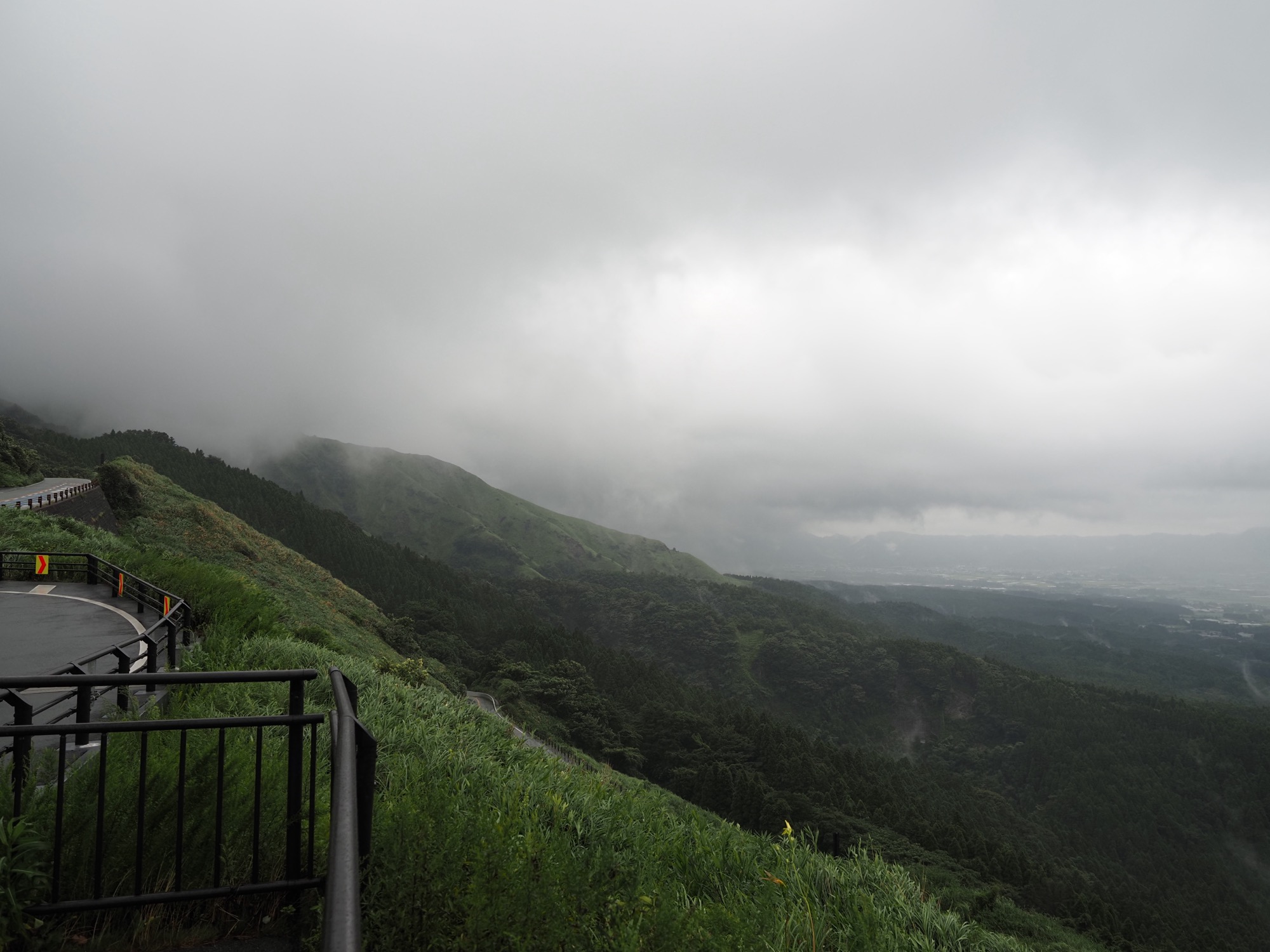
Mt. Aso is still an active volcano today; it holds within it one of the largest calderas in the world, roughly eighteen kilometres east-to-west and twenty-five north-to-south, at the heart of Kyushu. The plume rising from the central crater cone, the great grassland of Kusasenri-ga-hama spread across the outer rim, and the sea of mist that transforms the mountainside through every season carry to the present day the very gaze with which the ancient people who venerated it as a god beheld this land. The photographs, taken on the morning of 10 August, show the outer rim and Kusasenri wrapped in mist, mountain shadows sinking beyond the clouds, and grasses rippling in the wind.
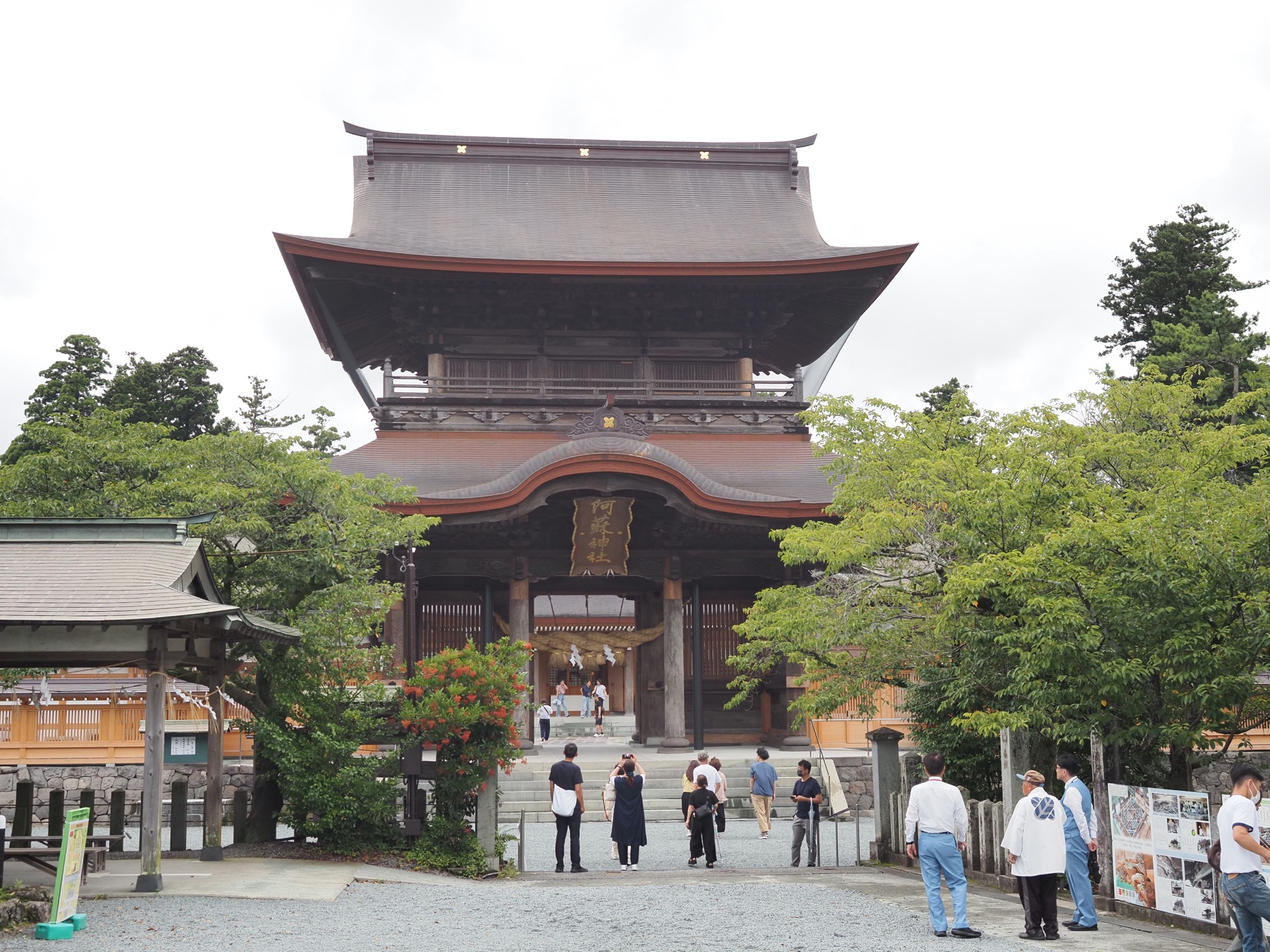
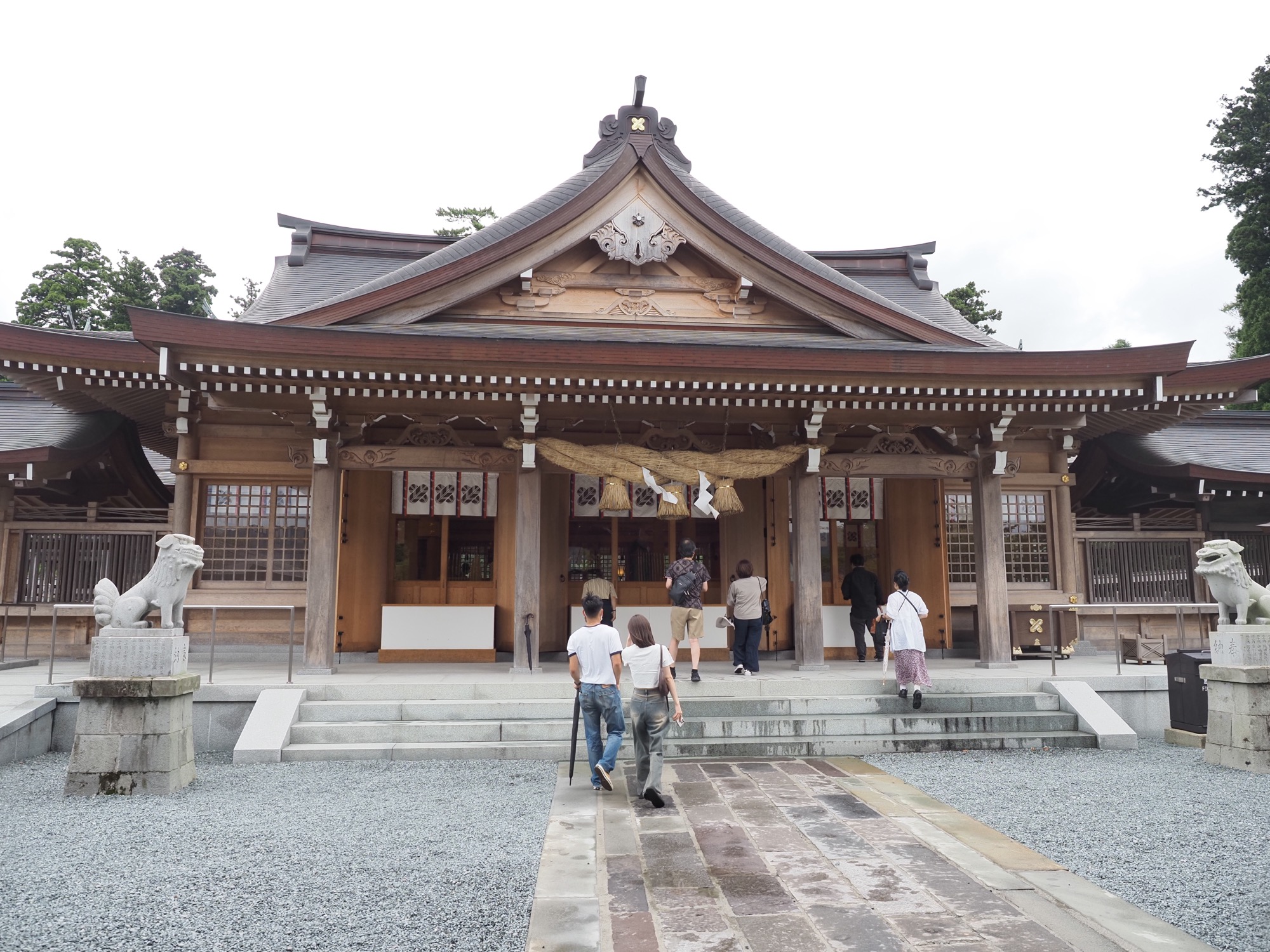
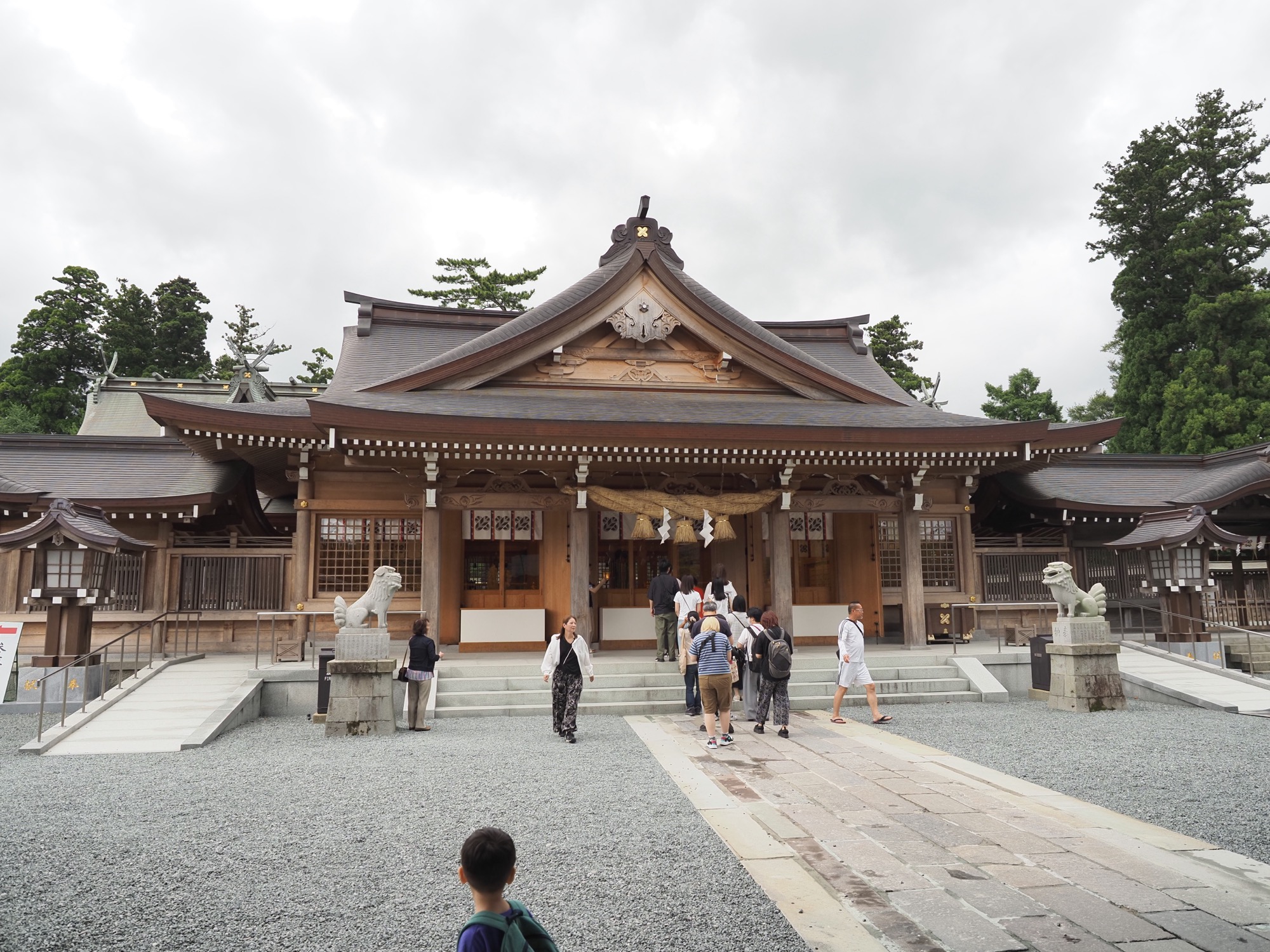
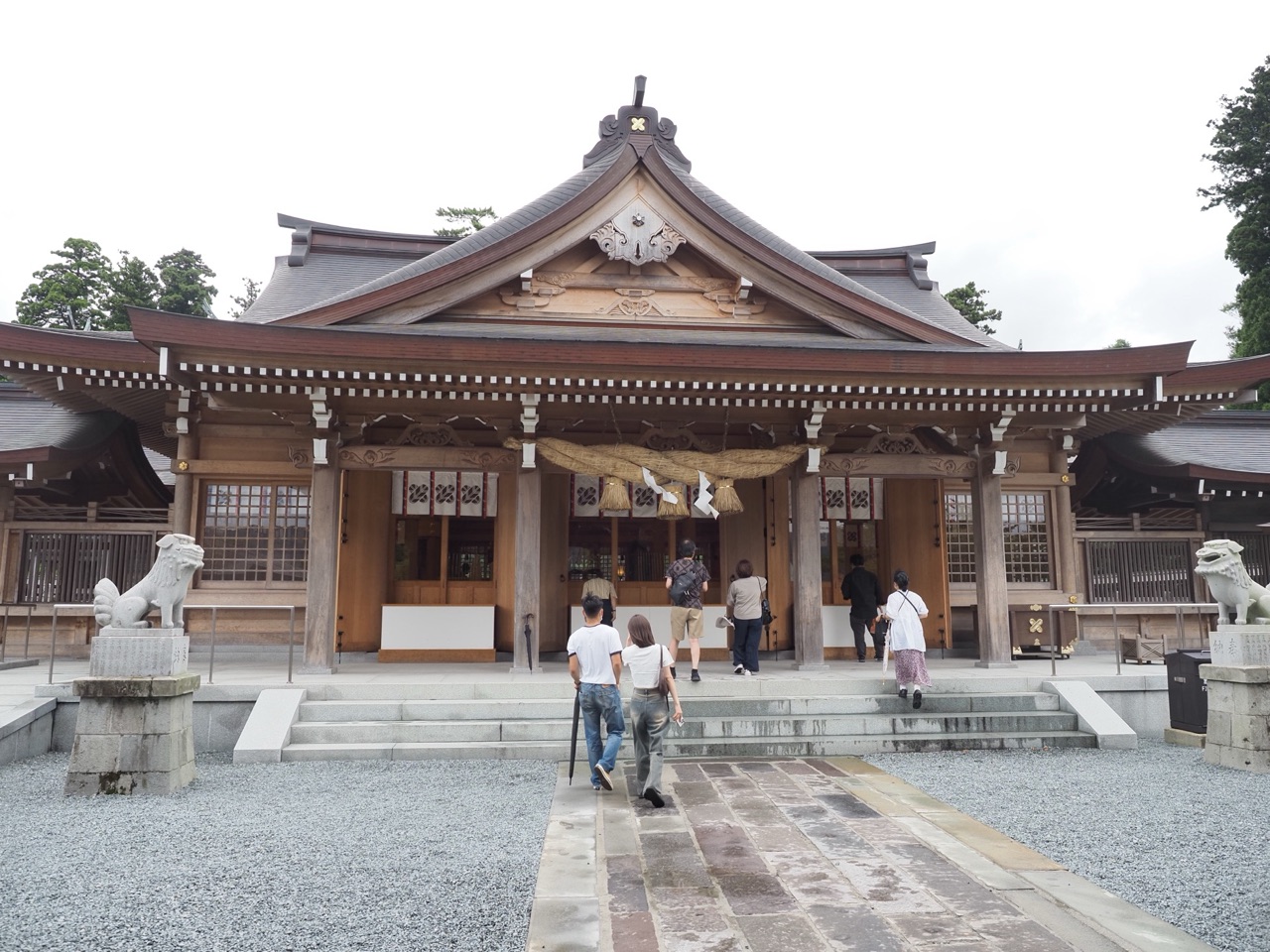
Aso Shrine is the ichinomiya — first-ranking shrine — of the former Higo Province, enshrining the twelve Aso deities, foremost among them Takeiwatatsu no Mikoto. Takeiwatatsu is a grandson of Emperor Jinmu, said to have broken the lake basin of Aso with his kick to open the land for farming — the founding deity of the region. The head priestly family, the Aso, are held to descend from his son Hayamikatama no Mikoto, and have maintained the position of chief priest by strict eldest-son succession from the ancient period to the present. The bare fact that a single family has continued in the priesthood without break for more than a thousand years speaks eloquently of the depth of the faith held here.
In the Sengoku period, the Aso family bore the character of warriors as much as of priests; against the northward advance of the Shimazu clan in their invasion of Kyushu, they fought to defend both their domain and the shrine’s very existence. This closely mirrors the position of the Fuji family of Suruga, who in the Sengoku era stood as local lords of Fuji District — hemmed in between the Imagawa, Takeda, and Tokugawa powers — while continuing to guard the rites of Mt. Fuji. Here too is a family that lived through the contradiction of a priesthood which had to take up arms.
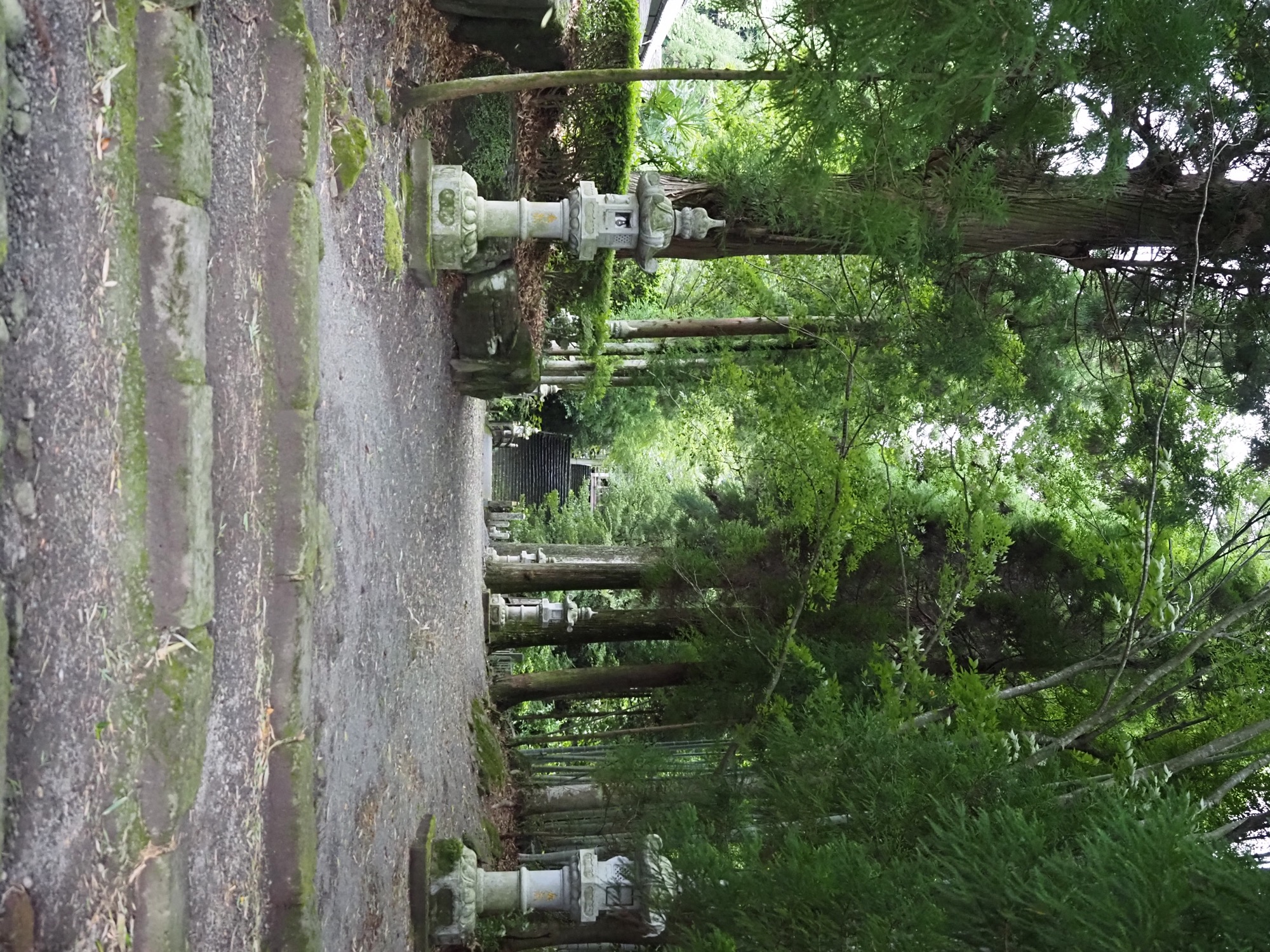
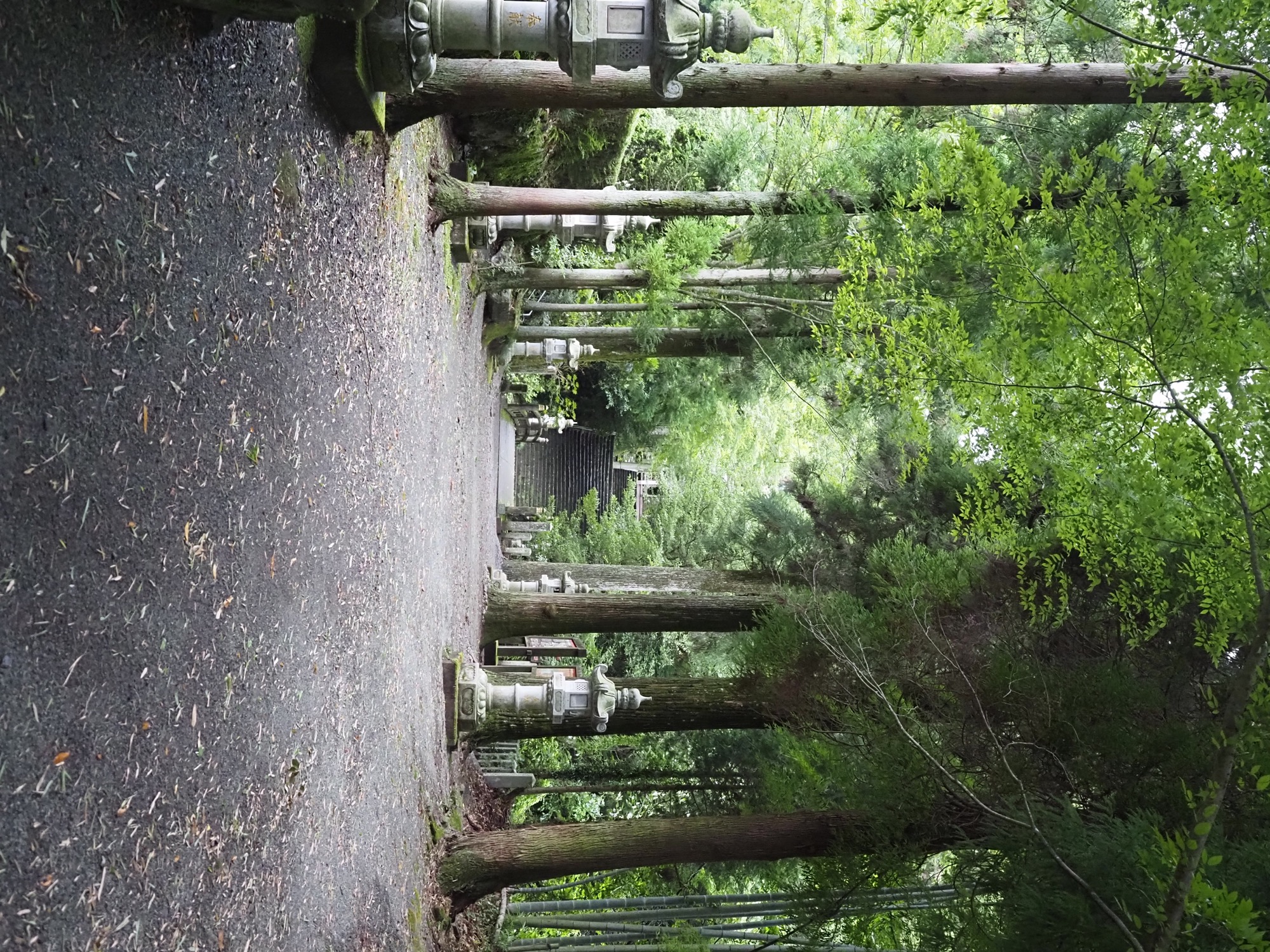
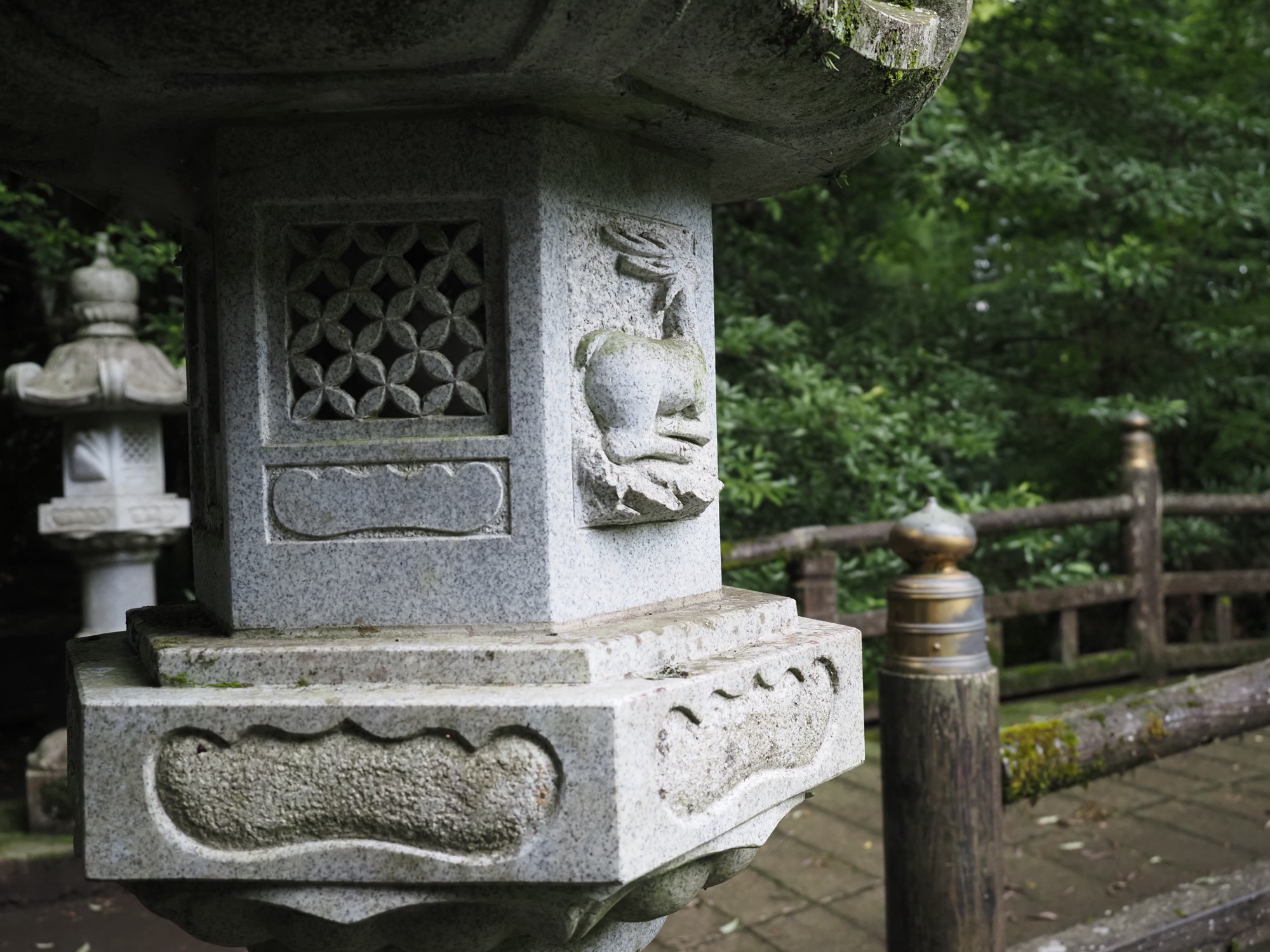
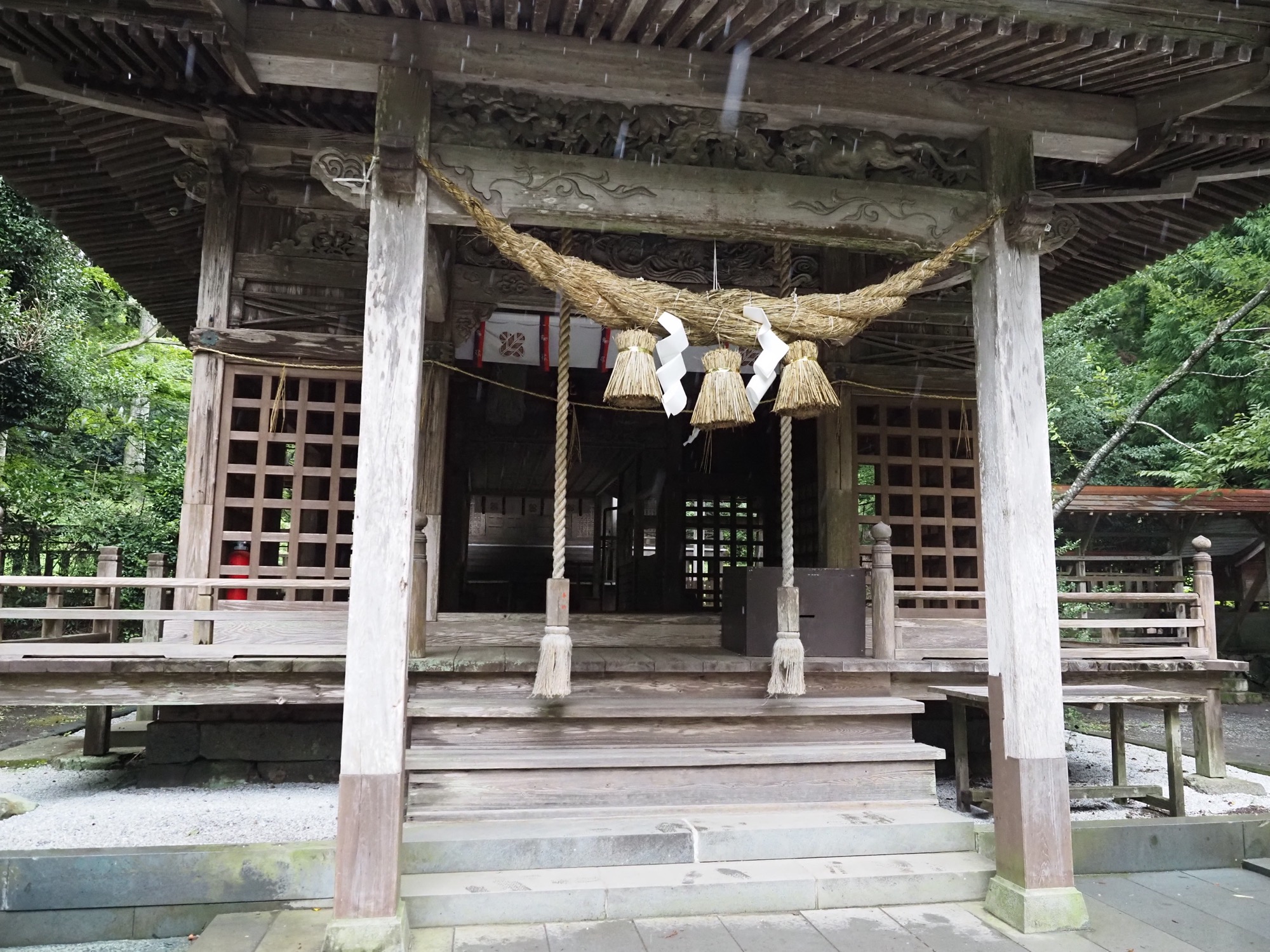
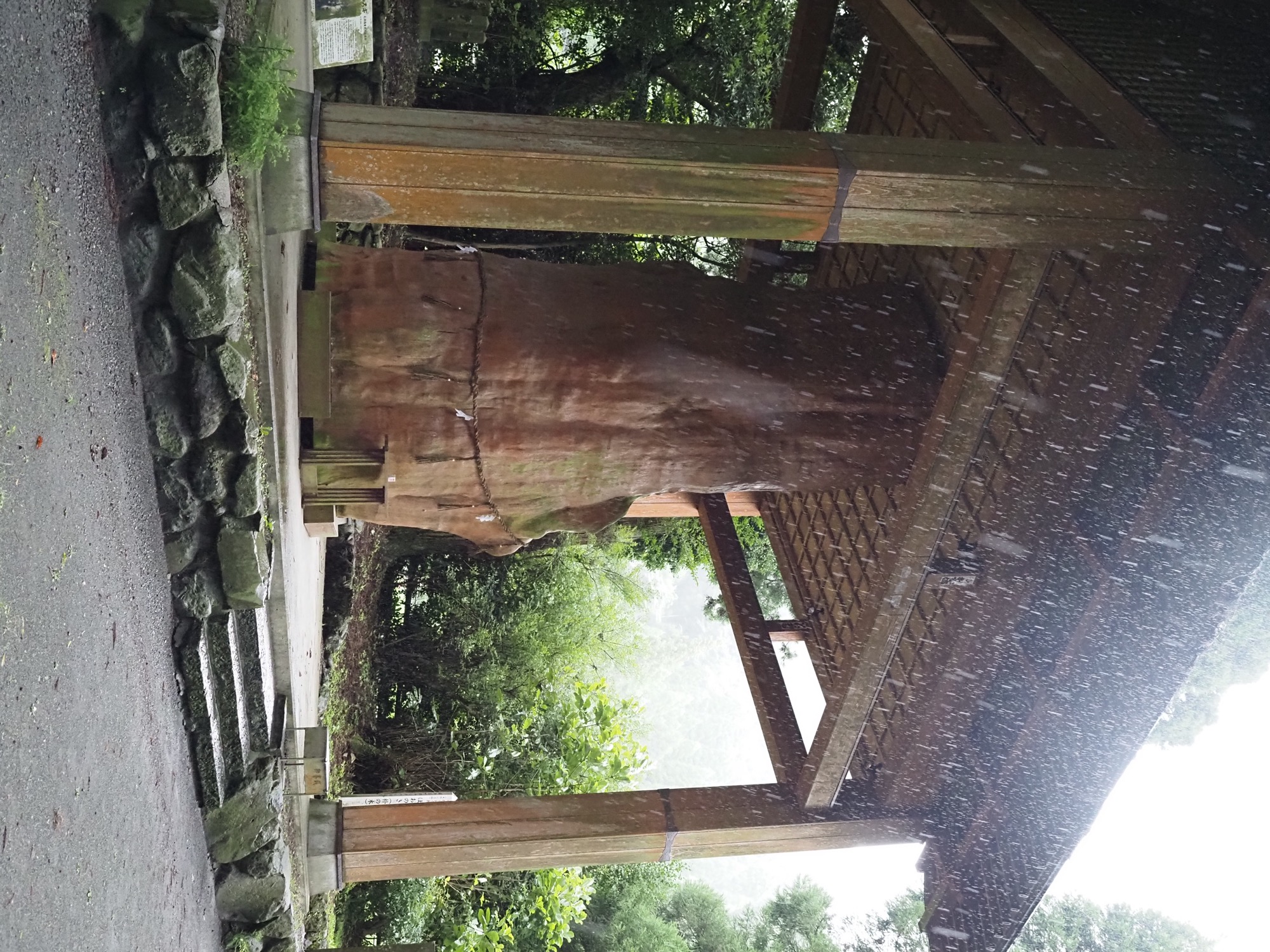
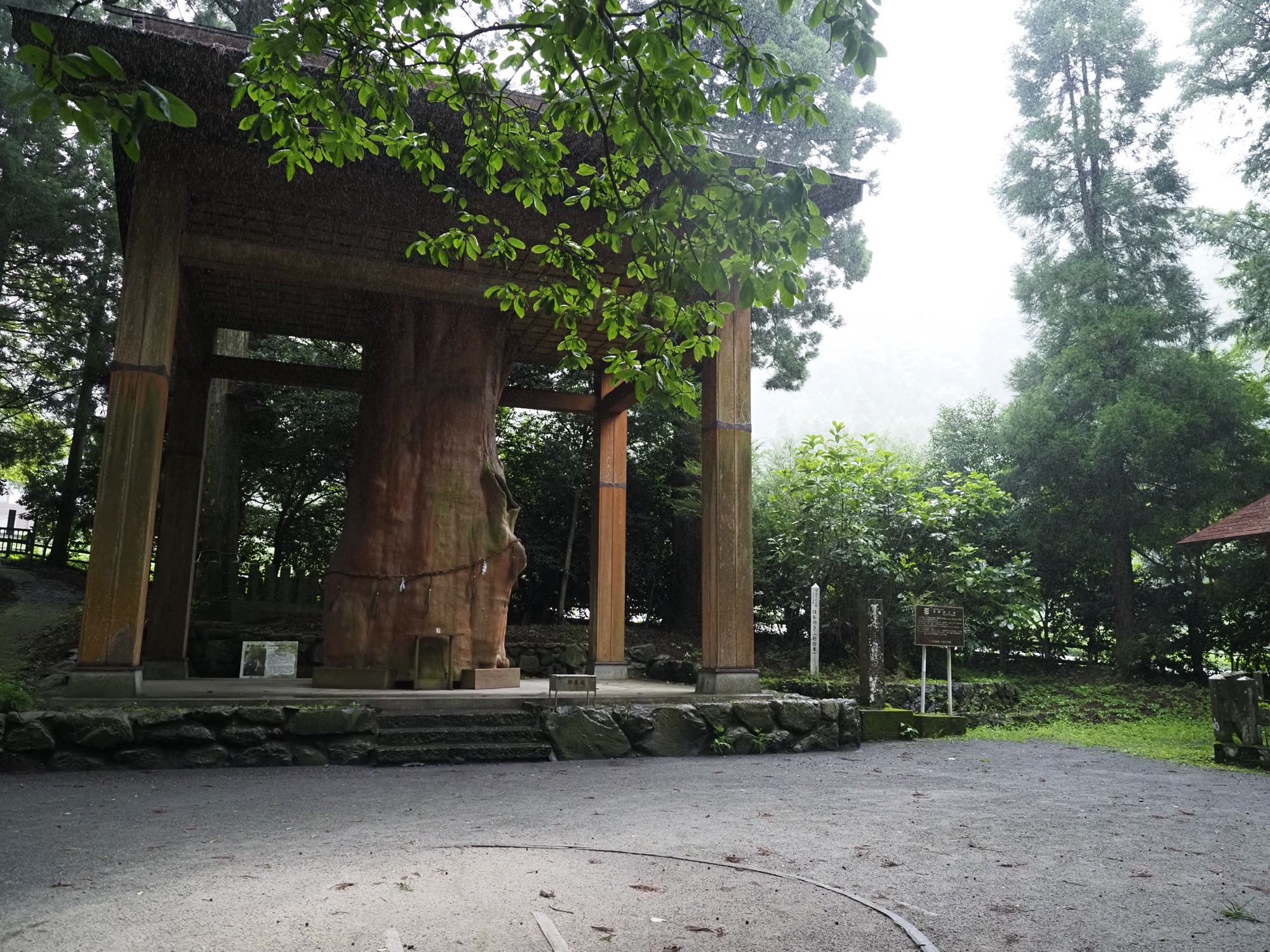
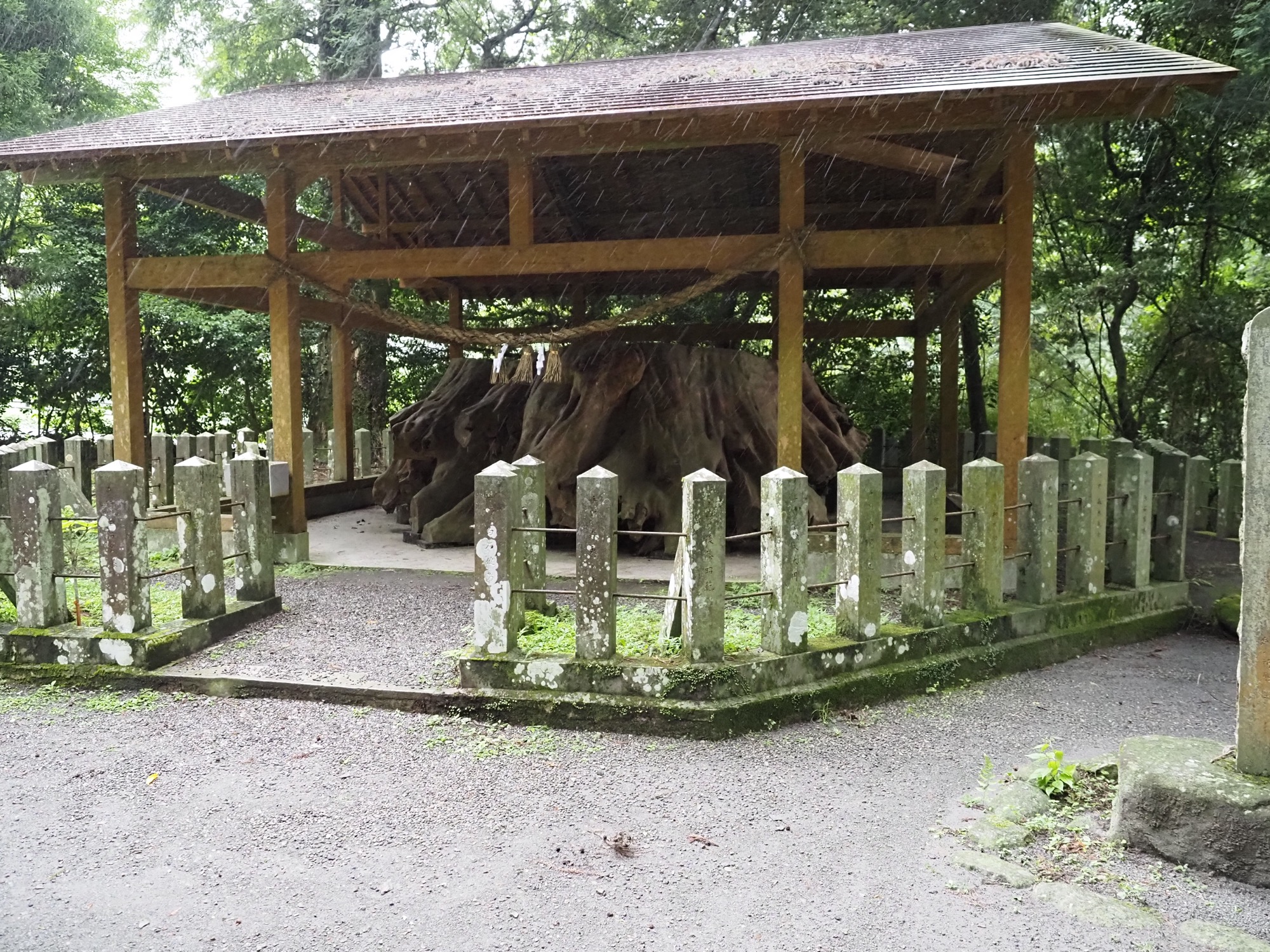
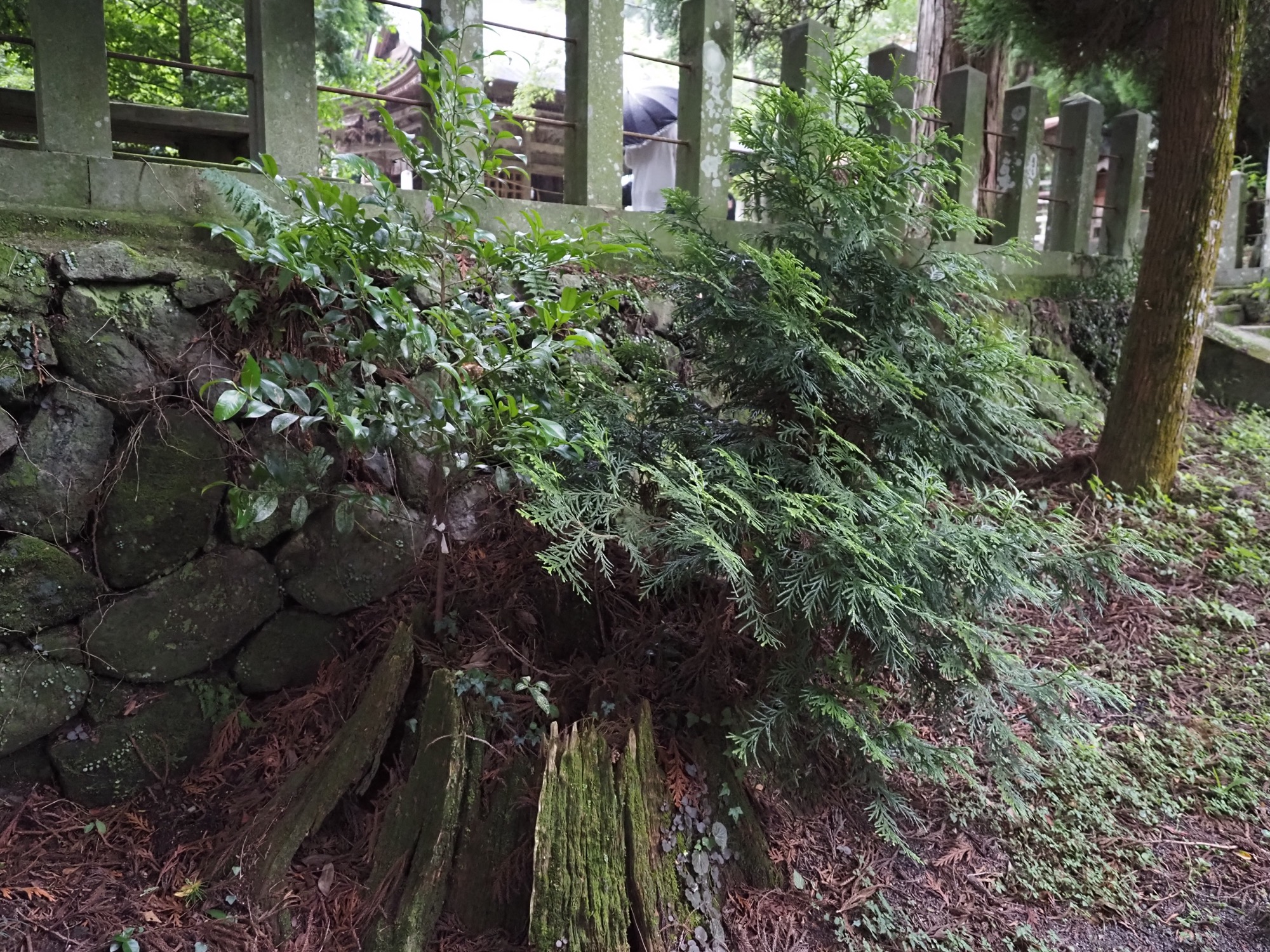
Kokuzō Shrine, known as the “northern shrine” of Aso, enshrines Hayamikatama no Mikoto as its principal deity — the ancestral figure of the Aso family. A deep avenue of cryptomeria, great cedars said to be well over a thousand years old, moss-covered stone lanterns in ranks, and a modest wooden prayer hall. While Aso Shrine has been elaborated to fit its role as first-ranking shrine of Higo, Kokuzō Shrine has kept the quiet, primal atmosphere of the family’s own origin. Within the precincts, the stump of a great cedar felled by the Kumamoto earthquake of 2016 has been preserved beneath a roof — the memory of the disaster and the prayer for renewal, standing side by side.
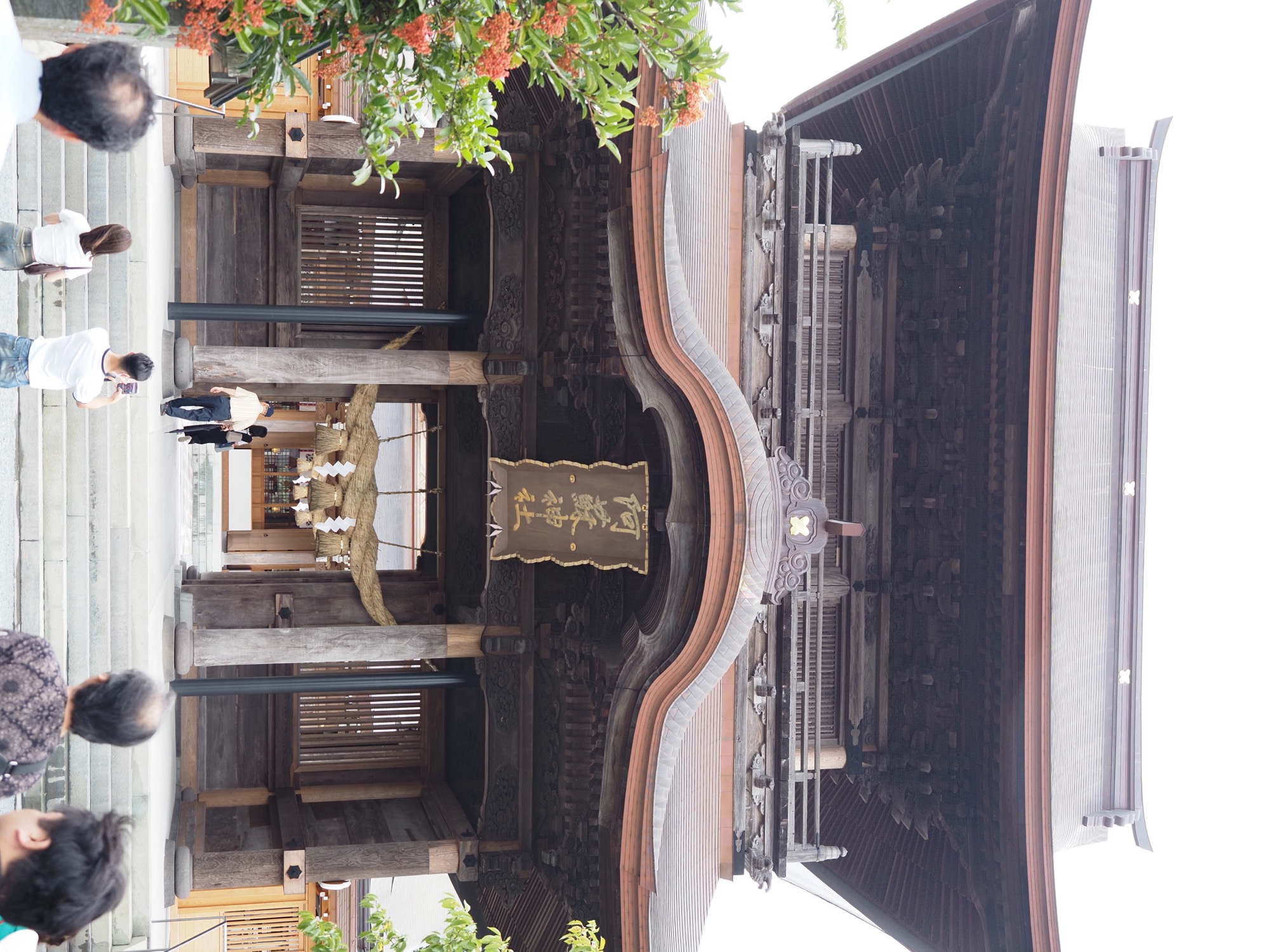
The gate tower of Aso Shrine, once counted among the “three great gate towers of Japan” for its two-storeyed grandeur, collapsed in the 2016 Kumamoto earthquake. After eight years of restoration work, the tower was rebuilt in 2023, and now stands beside the prayer hall, returned to its full form in the landscape of Aso. Earthquake and eruption, war and the tides of time — through repeated ordeals the mountain faith of Aso has continued to pass its prayers on. Alongside the faith of Mt. Fuji, it forms another of the main currents of the history that binds mountain and people together across this archipelago.